
Fully Automated Assembly Line Solution for Single-End NTC Sensor Finishing Line
Fully automated assembly line solution for single-end NTC sensors, covering boarding, soldering, encapsulation, shell insertion, resistance and hipot testing.
See how we designed this project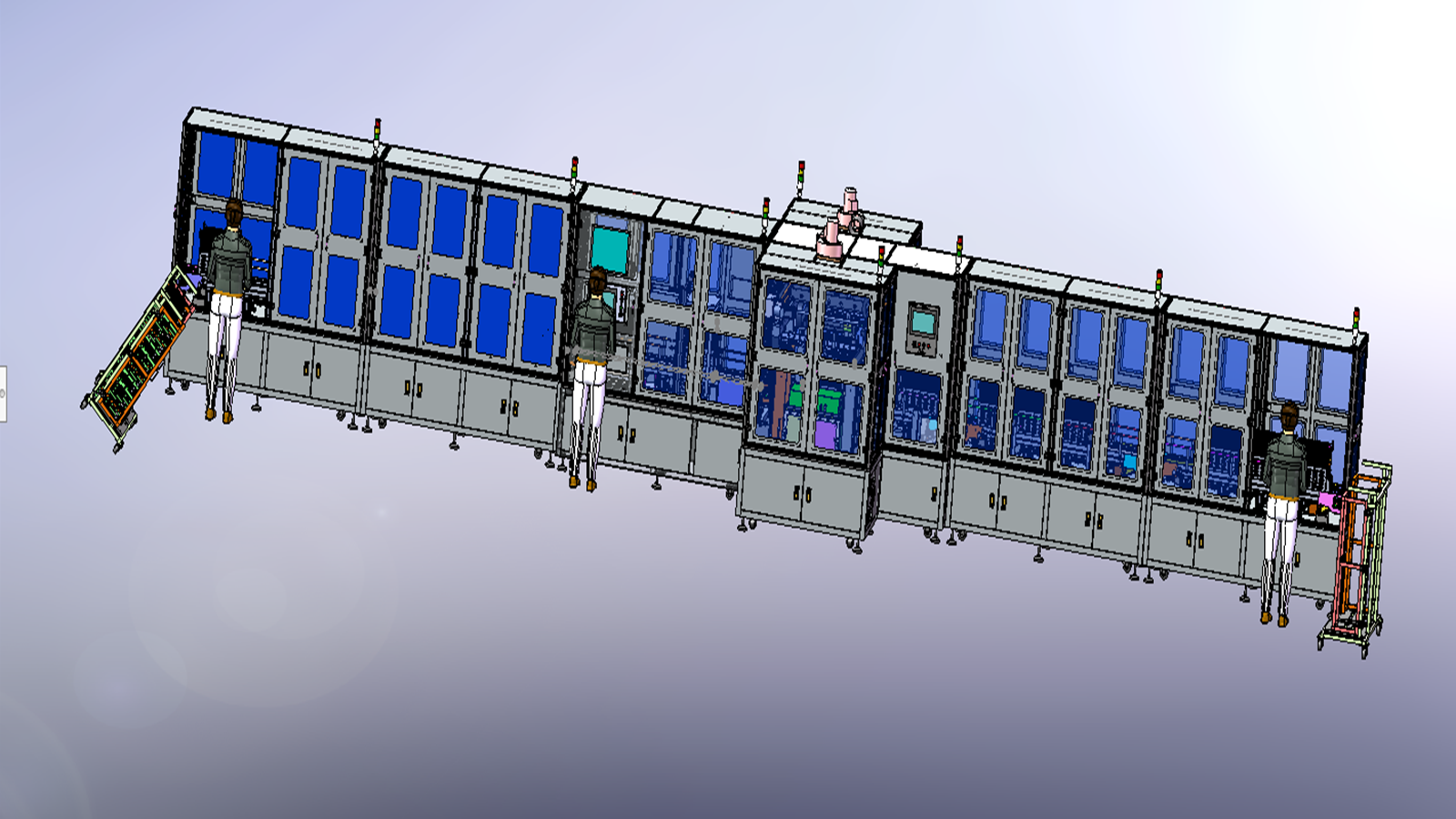
Project Snapshot
- Client Type
- NTC Sensor Manufacturer
- Timeline
- Project dated 2022-11-17
- Deliverables
- Single-end component feeding and soldering line
- Encapsulation and shell-insertion section
- Resistance and hipot testing setup
- Terminal crimping and plastic-seat assembly plan
Background
Project scope
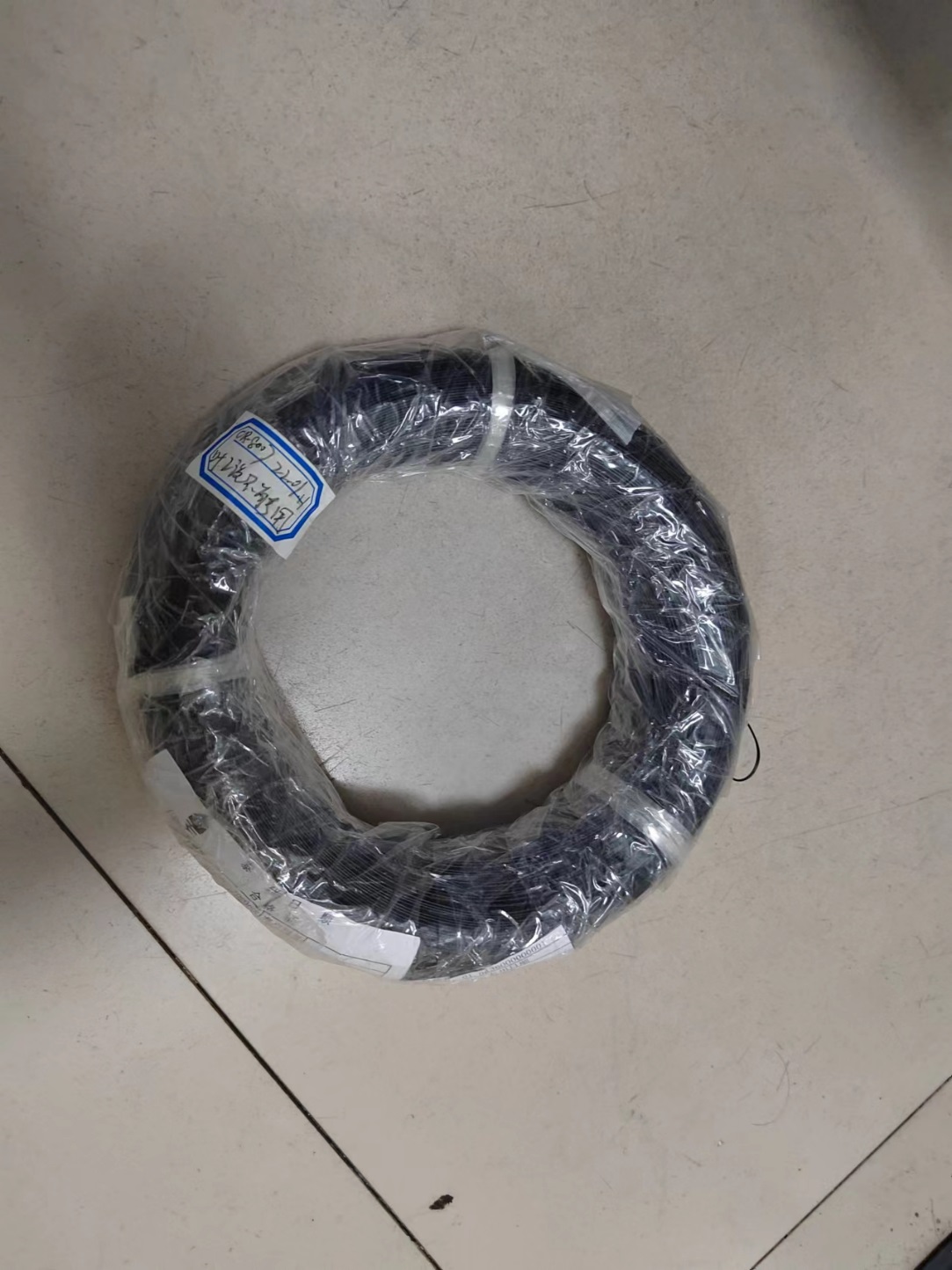
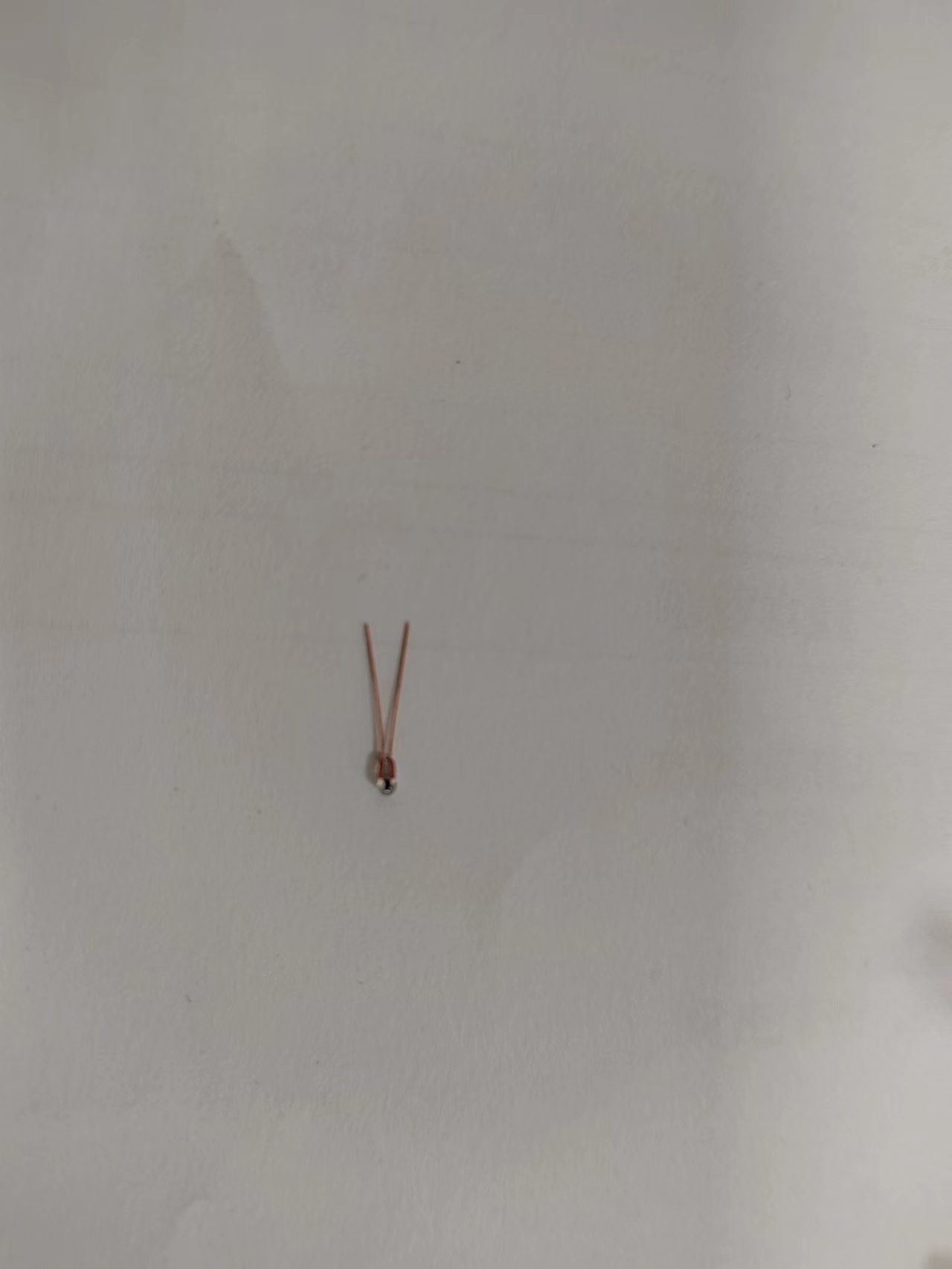
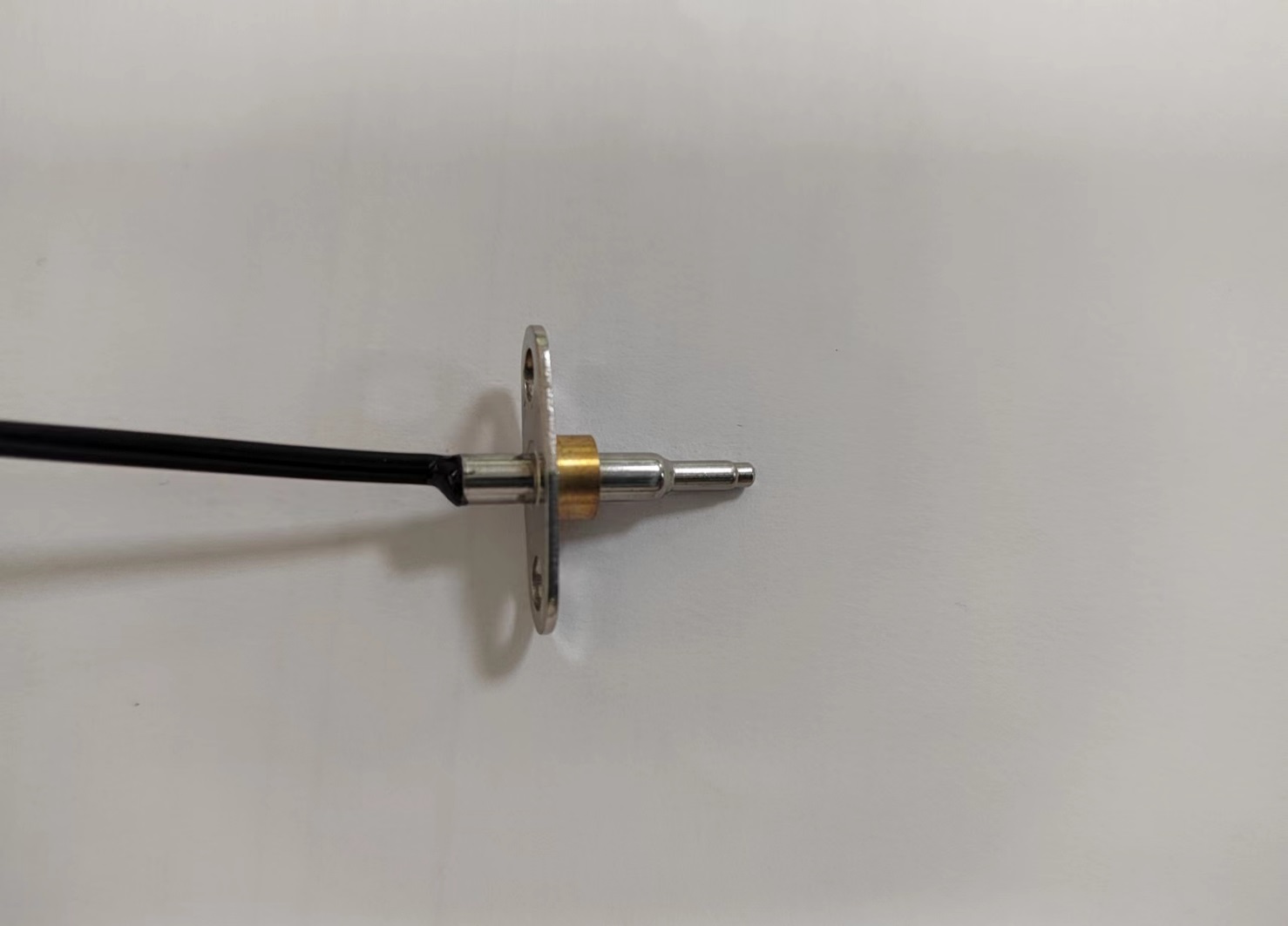
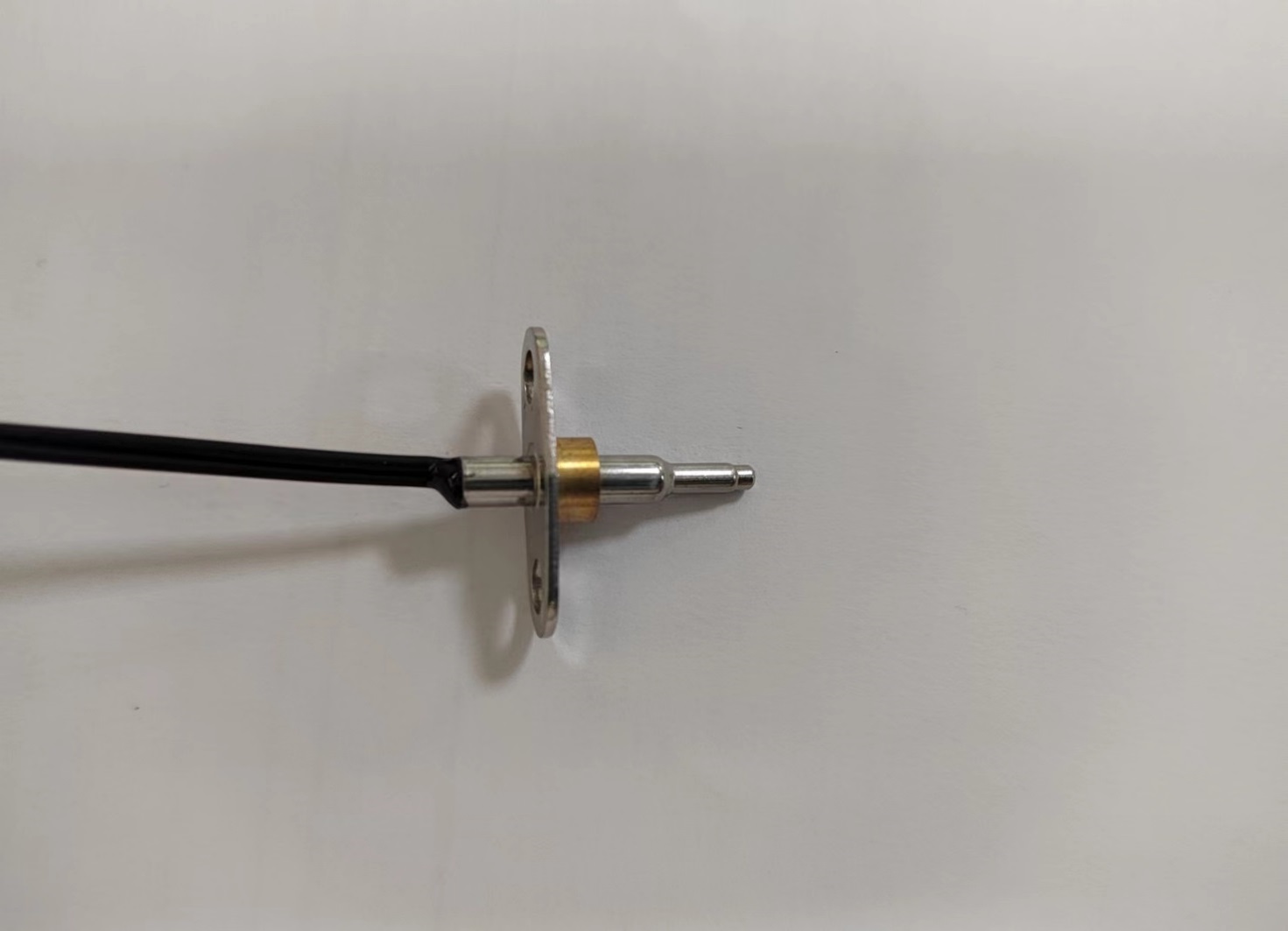
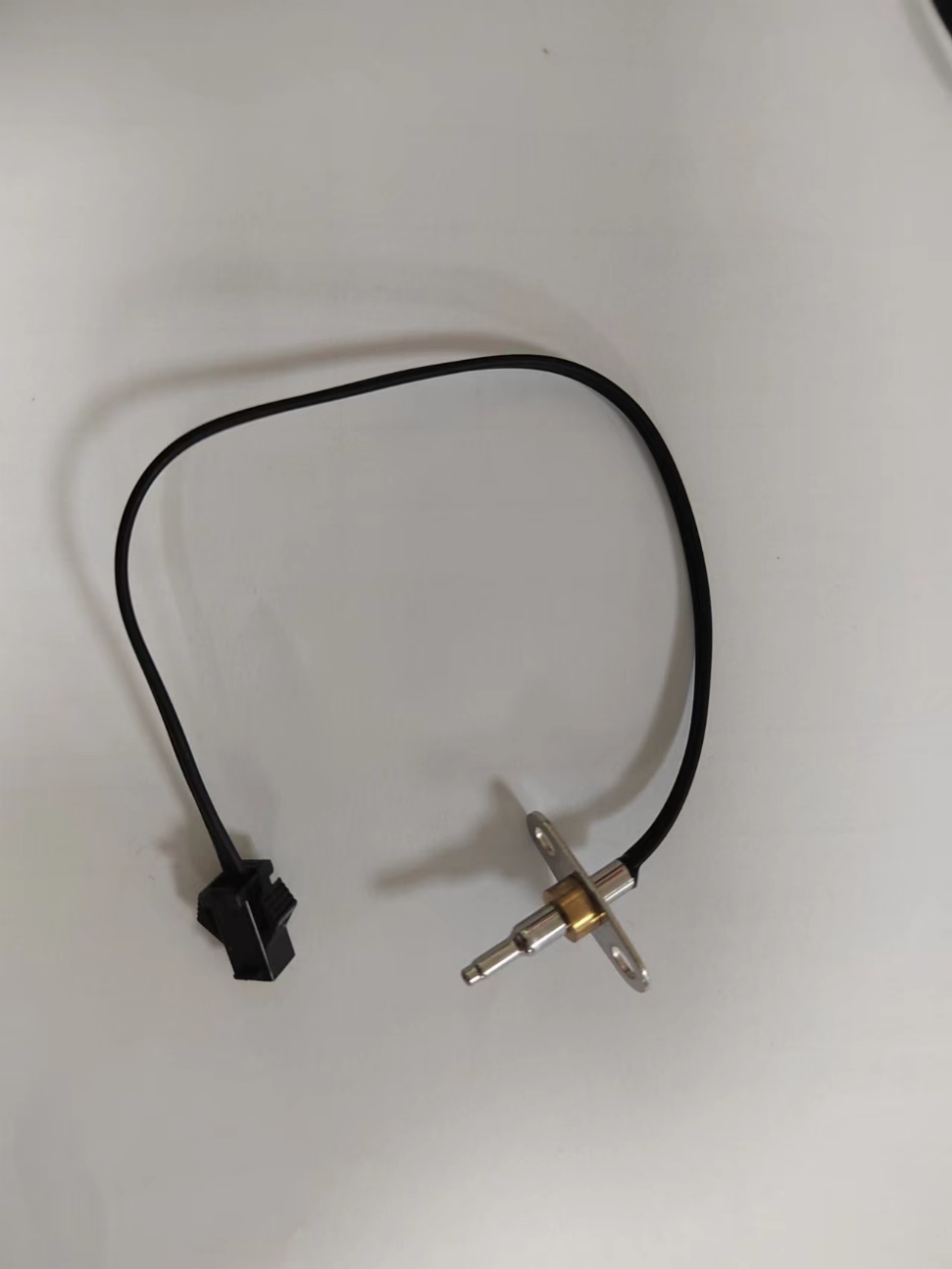
For this November 2022 electronics sensor manufacturing project, we designed an NTC finishing line for single-end components. The process includes wire cutting and boarding, soldering, encapsulation, shell insertion, resistance and hipot testing, and later-stage terminal and plastic-seat assembly. That makes the scope a fully automated assembly line solution application for ntc sensor finishing line.
Flow objective
Rather than stopping at basic resistor joining, the plan extends into the downstream finishing steps needed to move product toward final shipment. That makes it a broader finishing-line design than a simple soldering cell.
Challenge
Linked finishing operations
The line has to bridge automatic and manual work across several stations: boarding, soldering, encapsulation, shell insertion, board-level resistance and hipot testing, and manual terminal/plastic-seat work. The challenge is not one machine but overall line continuity.
Daily output planning
We sized the design around a 30,000-piece daily target. That requires not only machine selection but also planning for line boards, encapsulation frames, turnover carts, potting fixtures and operator assignments.
Quality verification
The line includes both resistance and high-voltage testing, which raises fixture and test-handling requirements. Later assembly steps such as terminal crimping and plastic-seat insertion also add dimensional and handling risk after the primary sensor body is completed.
Approach
Automated front-end
We start with automatic wire cutting and boarding, followed by single-end component feeding, shaping and soldering. The later slides quantify the number of line boards required to support the targeted daily throughput and the board recirculation cycle.
Encapsulation and fixture sizing
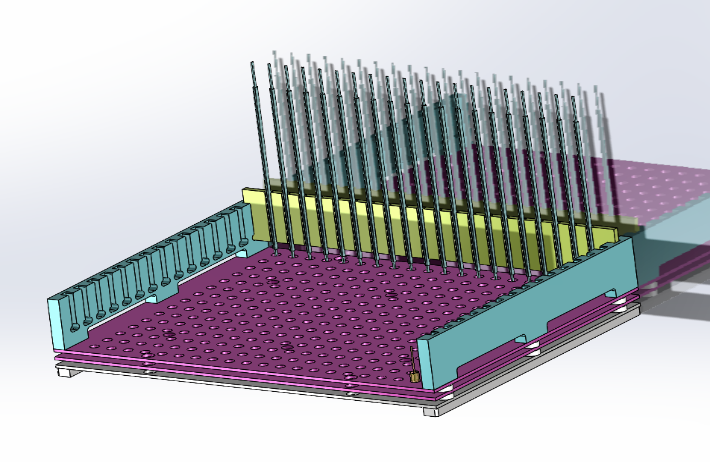
The plan specifies one encapsulation machine for the targeted daily output, plus turnover carts and encapsulation frames sized around the stated production volume. It also sizes potting fixtures for the downstream shell-insertion and dispensing process.
Testing and downstream assembly
The testing section uses automatic resistance and hipot verification on fixture-loaded boards. After testing, the design continues into manual sleeve cutting, terminal insertion and plastic-seat assembly so the finishing line covers the later mechanical steps as well.
For a related industrial NTC finishing example, see our industrial fully automated assembly line solution case study, where front-end joining, encapsulation, testing and later mechanical assembly are also treated as one connected production route.
Key technical parameters
| Area | Configuration | Planning value |
|---|---|---|
| Daily line target | Full finishing flow | 30,000 pcs/day |
| Line boards | Board return cycle from first process to board removal | 5,000 boards |
| Boarding machine | One cutting and boarding machine | 3,000 pcs/hour |
| Single-end welding | One single-end welding machine | 3,000 pcs/hour |
| Encapsulation | One encapsulation machine | 6,000 to 7,000 pcs/hour |
| Shell potting | One potting machine with 150 potting fixtures | 4,000 to 5,000 pcs/hour |
| Resistance and hipot test | One automatic tester plus 40 turnover test fixtures | 3,000 to 4,000 pcs/hour |
| Terminal and plastic-seat operation | Semi-automatic terminal/plastic-seat equipment | 1,200 to 1,500 pcs/hour per unit |
Cost and labor model
The configuration includes 120 encapsulation frames, ten turnover carts, 150 potting fixtures, line boards, one resistance/hipot tester and a glue-preparation section. The original planning model estimates about CNY 262,700 in tooling, CNY 2.516 million in equipment and CNY 2.7787 million total investment. It keeps about 6.2 operators on line while reducing about 22 manual positions, with an estimated payback period of around 16 months at the stated labor-cost assumptions.
Outcome
Proposed operating result
The resulting concept is a human-machine finishing line designed to carry product from boarded wire through tested and mechanically finished NTC assemblies. It is built around quantified fixture, board and operator planning instead of treating each station in isolation.
Planning depth
Our work goes beyond machine photos and includes daily-output calculations, tooling counts, operator allocation and payback modeling. That gives the customer a line-level deployment plan rather than only a loose equipment recommendation.
Project Feedback
Share a short review of this case study or tell us what kind of automation project you want to compare it with.
No published reviews yet.