
Automotive NTC assembly line for Single-End Automotive NTC Line
Automotive NTC assembly line project for single-end sensors, covering boarding, welding, encapsulation, shell potting, 25 C and 85 C testing and data collection.
See how we designed this project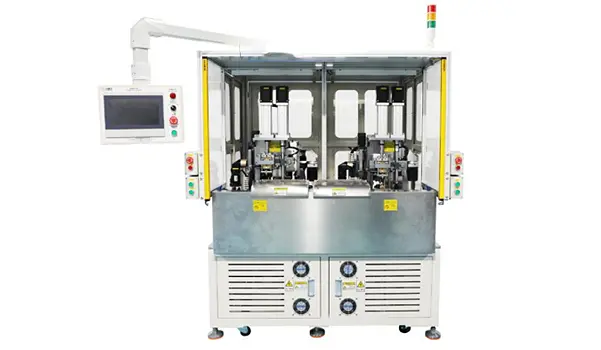
Project Snapshot
- Client Type
- Automotive Sensor Manufacturer
- Timeline
- Project dated 2025-03-01
- Deliverables
- Single-end automotive NTC process layout
- Boarding, welding and encapsulation stations
- 25 C and 85 C test-system configuration
- Tooling, cart and budget planning
Background
Project scope
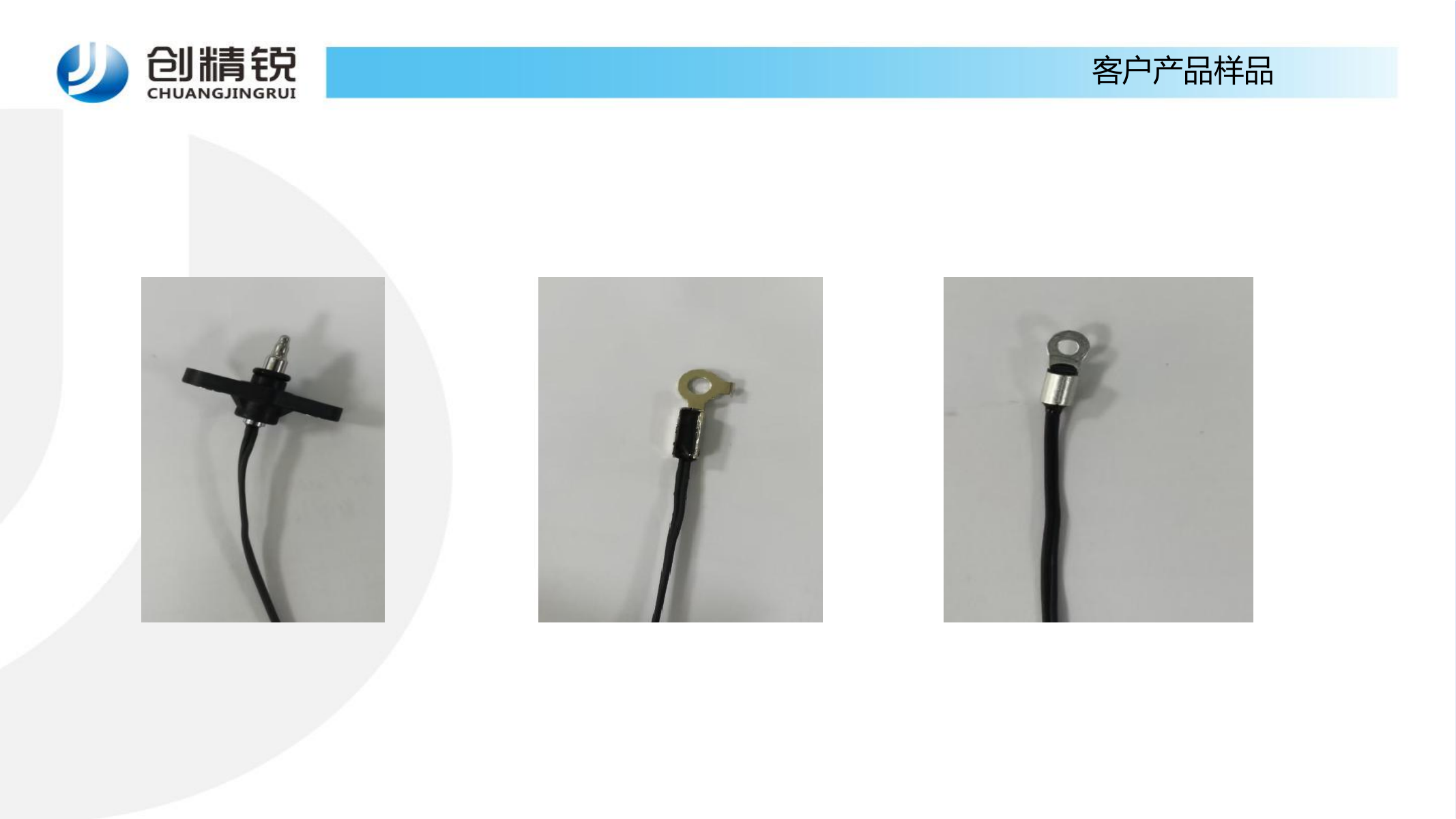
We designed a single-end automotive NTC production line around product samples, an end-to-end process layout, tooling, carts, encapsulation frames, testing and optional semi-automatic test equipment. That makes the scope an Automotive NTC assembly line application for single-end automotive sensor production line.
Production objective
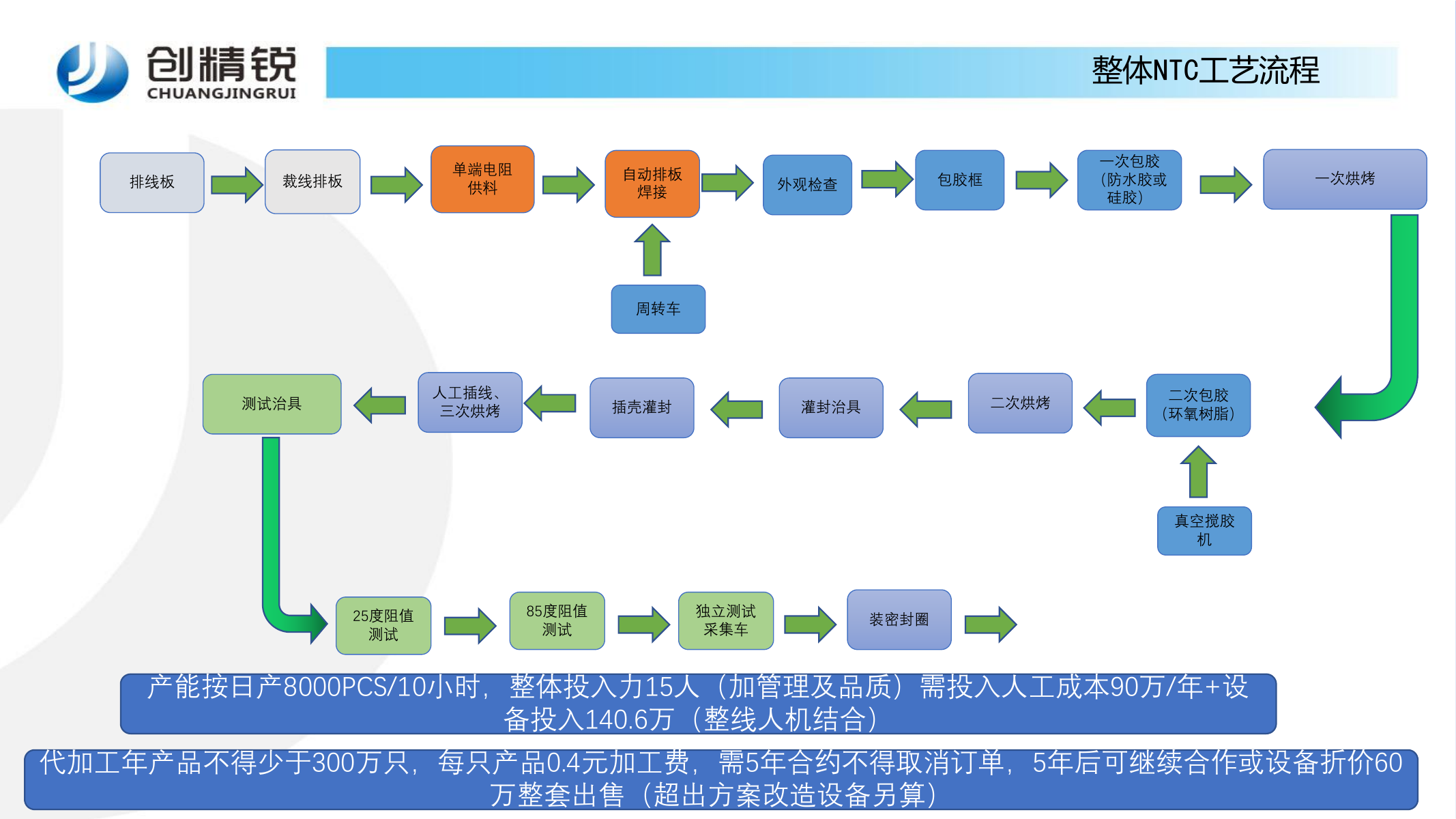
We built the design around a daily output target of about 8,000 pieces in a 10-hour shift. It describes the full route from boarding and welding through encapsulation, shell potting, sealing-ring assembly and temperature-based resistance testing.
Challenge
Hybrid line design
This is not a lights-out line. We combine automated boarding and welding with manual line insertion, multi-stage encapsulation, baking and parts handling. The challenge is to keep the hybrid flow stable without over-investing for an 8,000-piece daily volume.
Automotive-style test requirements
The line includes resistance testing at both 25 C and 85 C, plus data collection. That pushes the process closer to automotive validation logic than a simple room-temperature bench check.
Tooling and recirculation
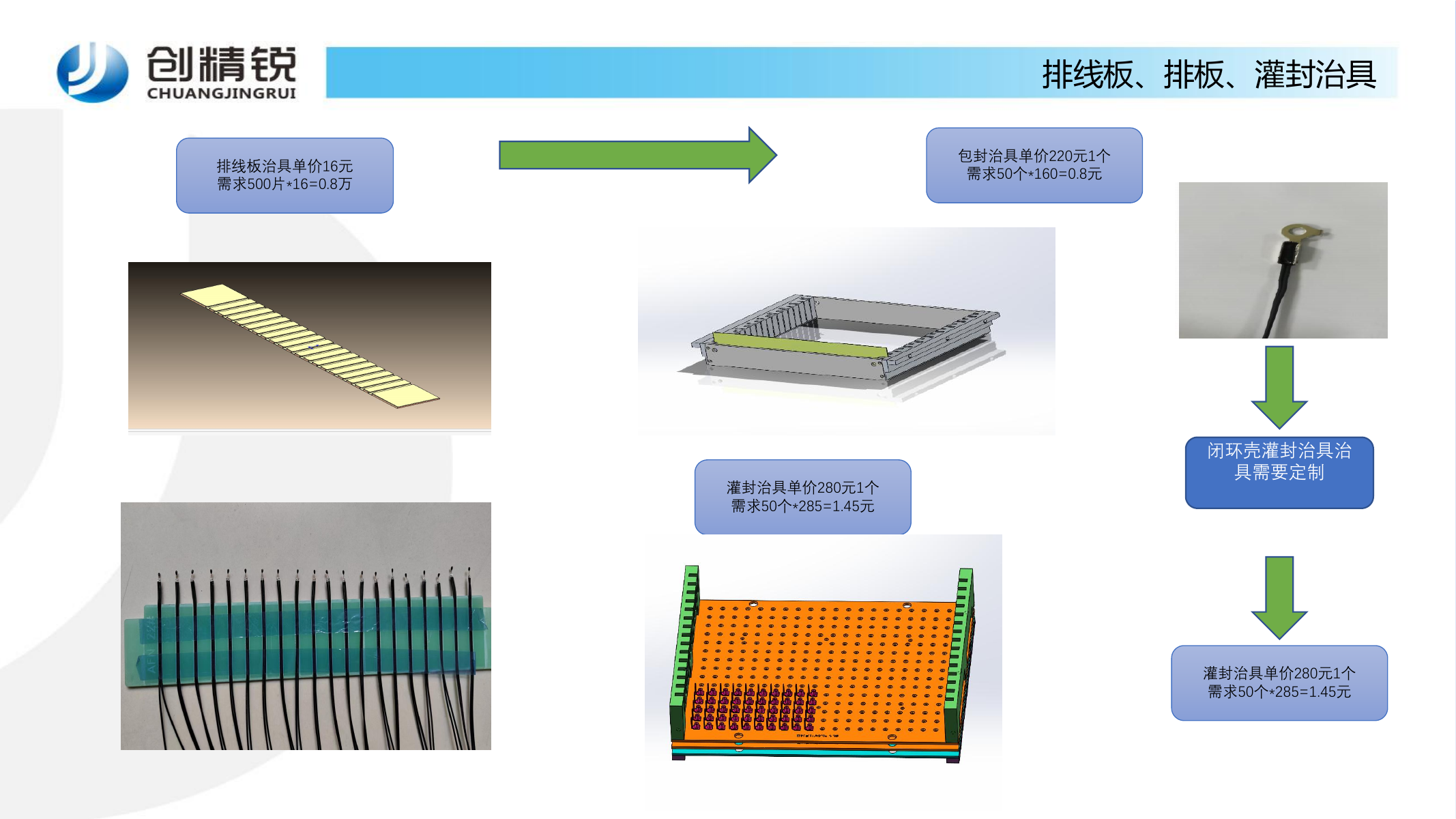
We devoted several pages to line boards, encapsulation fixtures, shell-potting fixtures and turnover carts. That indicates fixture recirculation was a major design factor for this product family.
Approach
Front-end and encapsulation
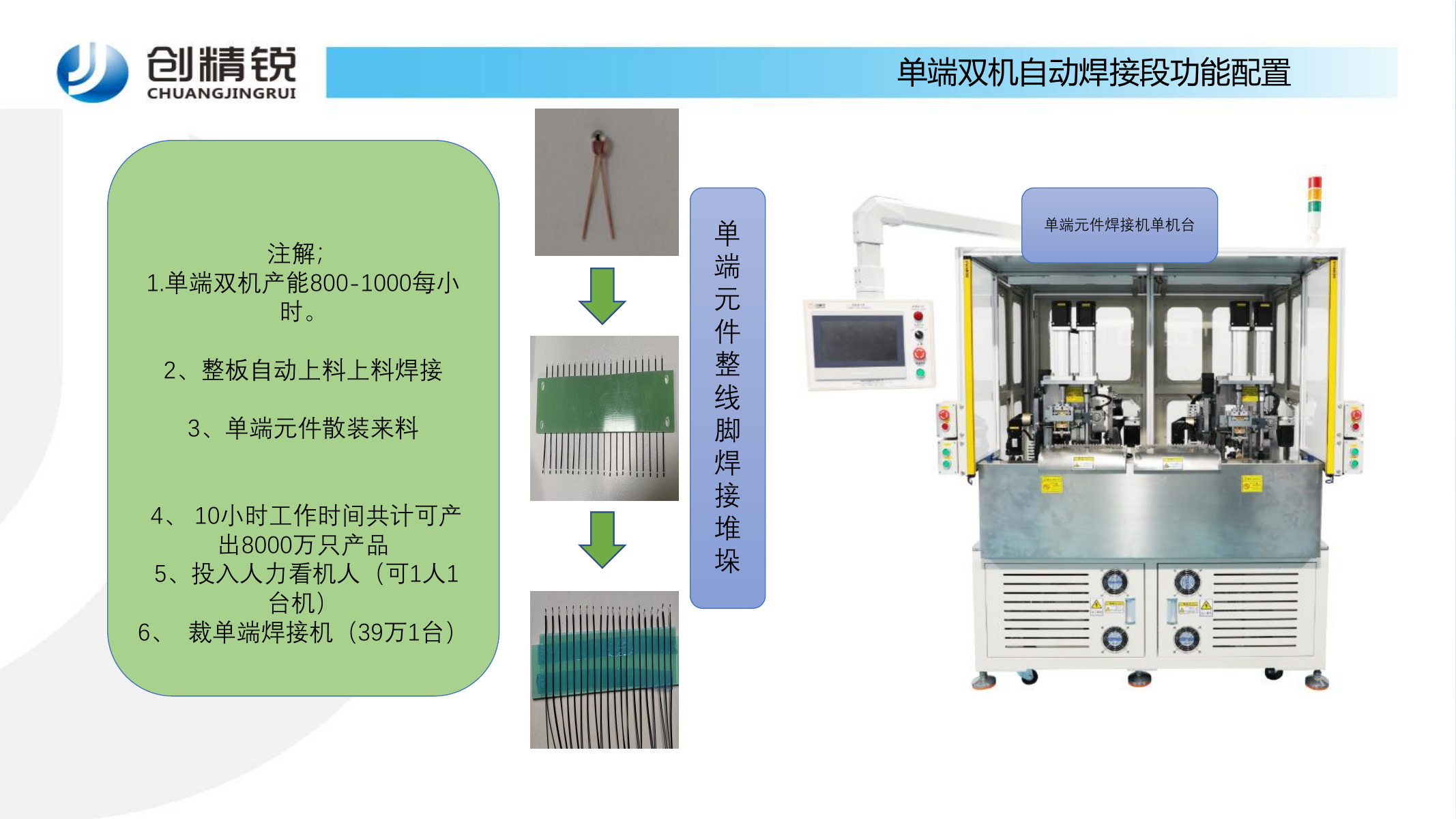
The plan starts with automatic wire cutting and boarding, then single-end welding. We rated the boarding machine around 1,800 to 2,000 pieces per hour and the single-end dual-machine welding section around 800 to 1,000 pieces per hour.
For readers comparing automotive sensor line layouts, we also cover this single-end NTC production route in our automotive NTC assembly line case study, including how boarding, welding, encapsulation, testing and fixture recirculation fit into one staged process.
Turnover and baking support
For the stated daily volume, we planned four turnover carts and 120 encapsulation frames, plus dedicated oven support. We also broke out the tooling budget for line boards and shell-potting fixtures.
Testing architecture
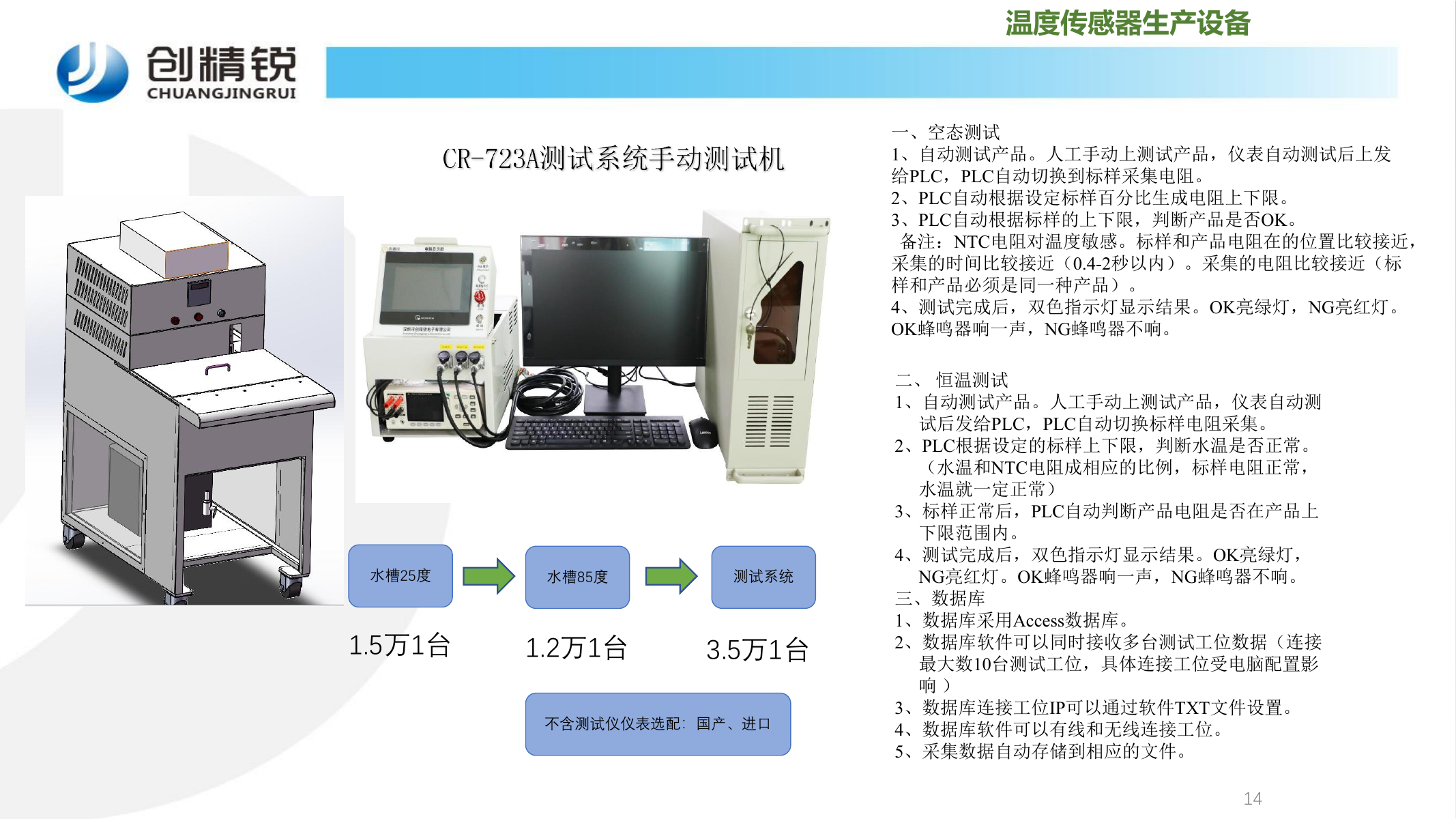
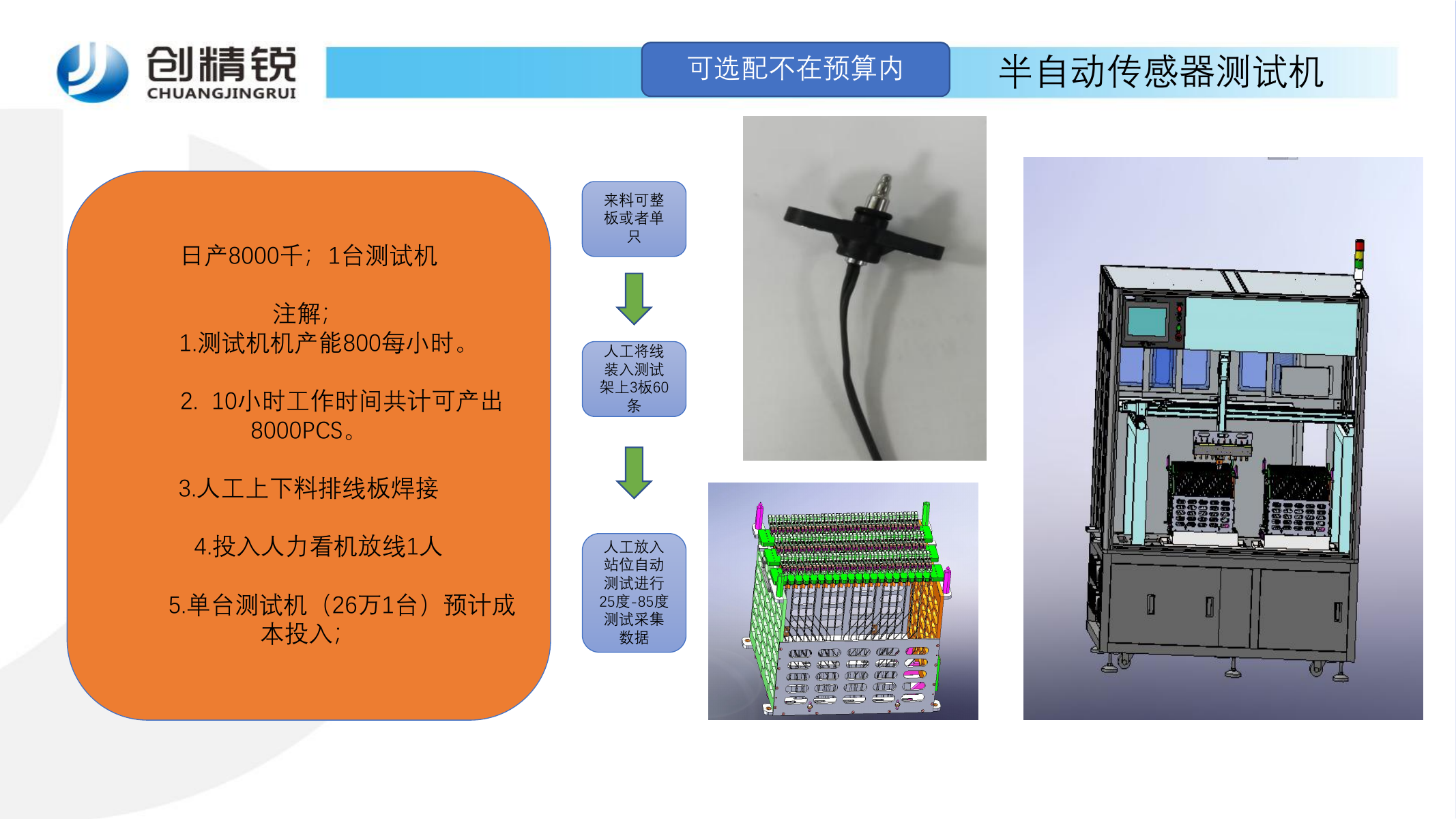
The testing section includes both empty-state and constant-temperature testing, using 25 C and 85 C water-bath logic plus data capture. We also discuss an optional semi-automatic tester that is not included in the base budget.
Key technical parameters
| Area | Configuration | Planning value |
|---|---|---|
| Daily target | Single-end automotive NTC line | 8,000 pcs per 10-hour shift |
| Boarding | One cutting and boarding machine | 1,800 to 2,000 pcs/hour |
| Welding | Single-end dual-machine welding section | 800 to 1,000 pcs/hour |
| Turnover | Carts and encapsulation frames | Four turnover carts, 120 frames |
| Oven support | Floor-push oven arrangement | Two ovens in the working concept |
| Fixture set | Board, encapsulation and shell-potting fixtures | Sized for fixture recirculation |
| Testing | 25 C and 85 C resistance testing plus data capture | Manual loading with automated collection |
| Staffing assumption | Human-machine combined line | About 15 people including management and quality roles |
Business arrangement
The planning model is based on no less than three million parts per year, a five-year production commitment and a processing-fee logic of CNY 0.40 per part. The investment scenarios show a human-machine combined equipment package in the CNY 218,350 to CNY 222,500 range, with a later option to continue cooperation or transfer the equipment after the initial term.
Outcome
Proposed operating result
The result is a hybrid automotive NTC line that deliberately balances automation with manual handling where we judged it more practical. It is sized for moderate daily volume rather than maximum automation density.
Business planning value
The design includes line capacity, labor context, fixture quantities, testing options and commercial deployment assumptions. That gives the customer a usable roadmap for staged deployment instead of only a concept sketch.
Project Feedback
Share a short review of this case study or tell us what kind of automation project you want to compare it with.
No published reviews yet.