
Automated Production Line for NTC Production Line with Process Fixtures
Automated Production line for 58-ohm NTC sensors, combining wire cutting, boarding, dual-station soldering, encapsulation, curing fixtures and testing.
See how we designed this project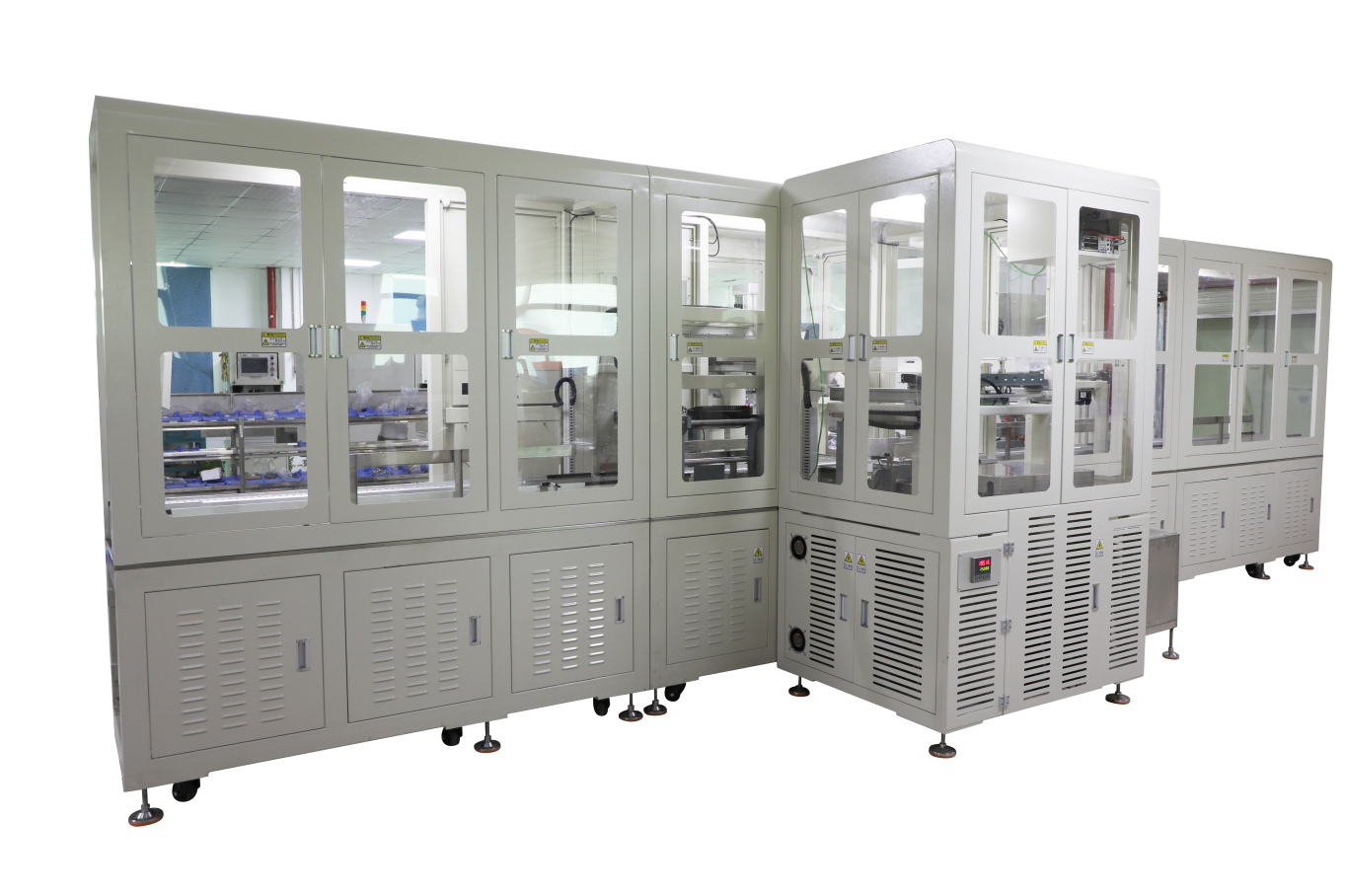
Project Snapshot
- Client Type
- NTC Sensor Manufacturer
- Timeline
- Project dated 2025-02-11
- Deliverables
- Wire cutting and boarding configuration
- Dual-station resistor soldering section
- Encapsulation, turnover-cart and fixture plan
- Automated resistance and hipot testing segment
Background
Project scope
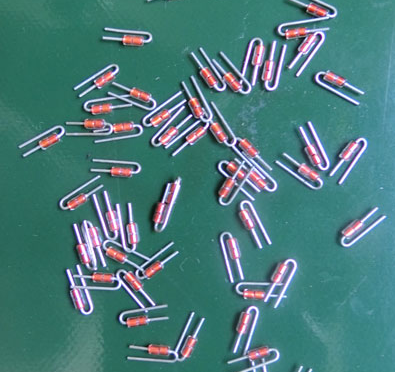
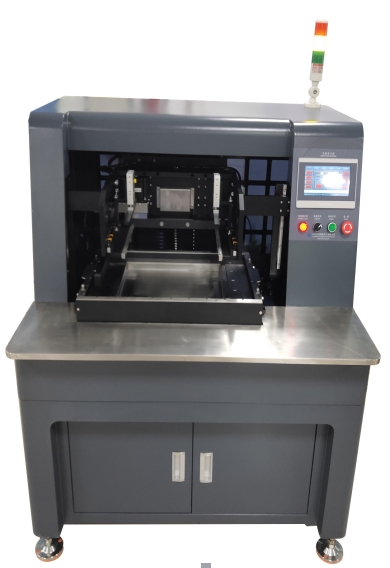
For this February 2025 electronics sensor manufacturing project, we designed an NTC production line for 58-ohm resistor-based sensor assemblies. The target flow combines automatic wire cutting and boarding, resistor forming and soldering, board encapsulation, shell insertion, dispensing and final performance testing. That makes the scope an automated Production line application for ntc sensor production line.
Production objective
We designed the line as a linked process rather than isolated machines. We connected front-end boarding, soldering, encapsulation and later-stage testing so that the customer can standardize the full production route and fixture turnover.
Challenge
Multi-stage process coordination
The plan has to connect several different process types: wire preparation, resistor feed and shaping, soldering, board-level encapsulation, shell insertion, dispensing, baking and final testing. That creates both material-flow complexity and fixture-management pressure.
Capacity and fixture turnover
We targeted daily output in the 20,000-piece range. It therefore has to account for production boards, encapsulation frames, turnover carts and potting fixtures so that the back-end curing and testing steps do not slow down the front-end automation.
Testing consistency
The testing stage is not limited to a simple room-temperature check. The project includes high-voltage insulation testing plus resistance testing in controlled 25 C and 85 C water-bath conditions, with data capture and NG sorting.
Approach
Front-end automation
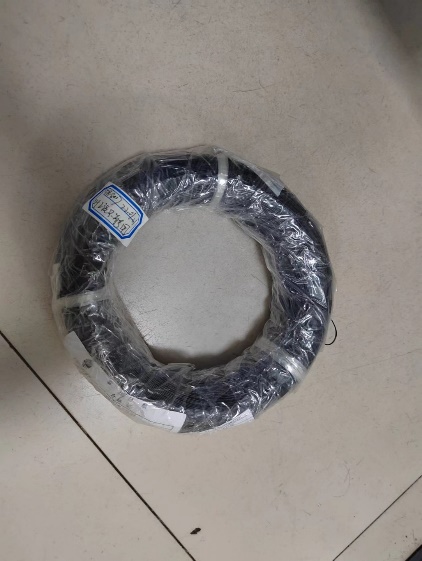
We specify that the wire cutting and boarding section is configured with eight wire-feeding shafts and can run around 1,800 to 2,000 pieces per hour, depending on wire length. It is paired with a dual-station soldering setup for the resistor-to-wire joining step.
For a related Robotlyne NTC sensor production-line application, see our NTC sensor automated production line case study: https://www.robotlyne.com/ntc-sensor-automated-production-line-case-study/
Encapsulation and turnover planning
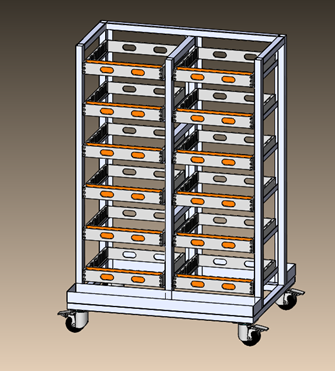
For board encapsulation, we specified one automatic encapsulation machine with hourly capacity around 10,000 to 14,000 pieces. We also quantified the downstream turnover plan with ten turnover carts and 120 encapsulation frames for a 20,000-piece daily target.
Shell insertion and testing
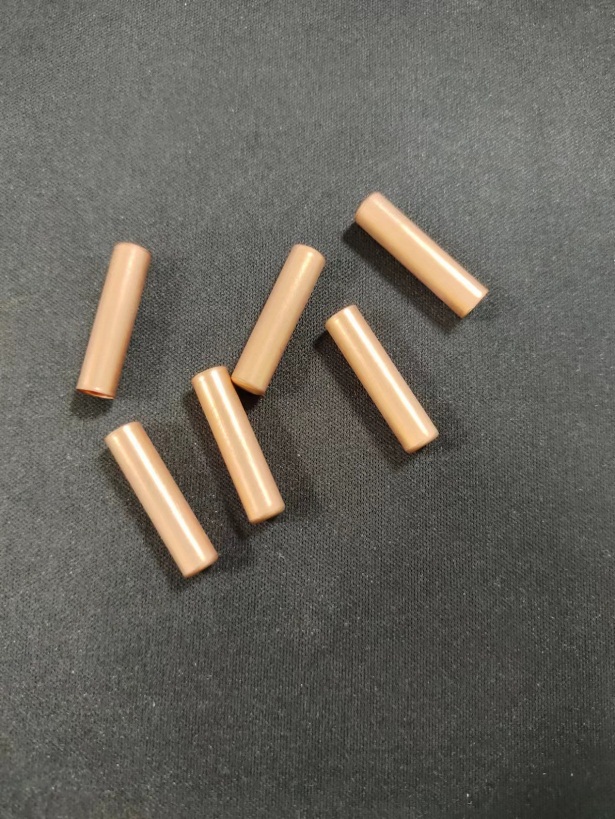
The shell-insertion and dispensing section uses two vibratory bowls and four dispensing heads, with stated capacity around 4,000 to 5,000 pieces per hour. The testing section combines resistance and high-voltage verification, database-backed data capture and automatic NG separation. We also account for customer-reference equipment and fixtures for this stage.
Key technical parameters
| Area | Configuration | Planning value |
|---|---|---|
| Wire cutting and boarding | Eight wire-feeding shafts, five reels loaded at the same time | 1,800 to 2,000 pcs/hour, depending on wire length |
| Wire-length range | Automatic cutting, stripping, fluxing, tinning and board loading | 50 to 1,500 mm |
| Resistor joining | Dual-station resistor forming, lead cutting and welding | 1,600 to 2,000 pcs/hour |
| Daily front-end target | One boarding machine plus one welding machine | 16,000 to 20,000 pcs in a 10-hour shift |
| Encapsulation | One automatic encapsulation machine | 10,000 to 14,000 pcs/hour |
| Shell insertion and dispensing | Two bowl feeders and four dispensing heads | 4,000 to 5,000 pcs/hour |
| Performance test | Hipot plus 25 C and 85 C resistance testing | 2,000 to 4,000 wires/hour |
Fixture and turnover sizing
For a 20,000-piece daily target, we sized the line around 2,000 line boards: 1,000 boards for the active daily requirement and another 1,000 boards to cover downstream return-cycle time. The encapsulation loop uses 120 encapsulation frames and ten turnover carts, with each frame carrying 15 fixtures and 20 parts per fixture. Shell insertion uses about 150 potting fixtures, with each fixture set carrying 300 parts.
Outcome
Proposed operating result
The resulting line concept gives the customer a connected process from boarding and soldering through encapsulation, shell insertion and final test. The design is configured around a 20,000-piece daily output level with dedicated fixture and turnover planning rather than ad hoc manual transfers.
Labor and equipment impact
We estimate that the line can reduce manual work across multiple stations: about five operators in the boarding and resistor-welding section, three in encapsulation, five in shell insertion and dispensing, and one in the performance-test stage. The testing cell also improves quality control by saving test records, marking OK/NG results and supporting fixture-based handling instead of isolated bench checks.
Project Feedback
Share a short review of this case study or tell us what kind of automation project you want to compare it with.
No published reviews yet.