
Fully Automated Assembly Line for 58-Ohm NTC Sensor Finishing Line
Fully automated assembly line for 58-ohm NTC sensor finishing, combining boarding, soldering, encapsulation, shell insertion, resistance/hipot testing and payback planning.
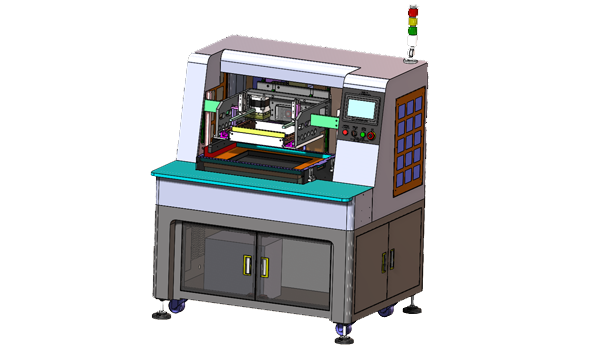
Project Snapshot
- Client Type
- NTC Sensor Manufacturer
- Timeline
- Project dated 2023-09-04
- Deliverables
- Boarding and resistor soldering section
- Encapsulation and turnover-fixture plan
- Shell insertion and dispensing segment
- Automated resistance and hipot testing stage
Background
Project scope
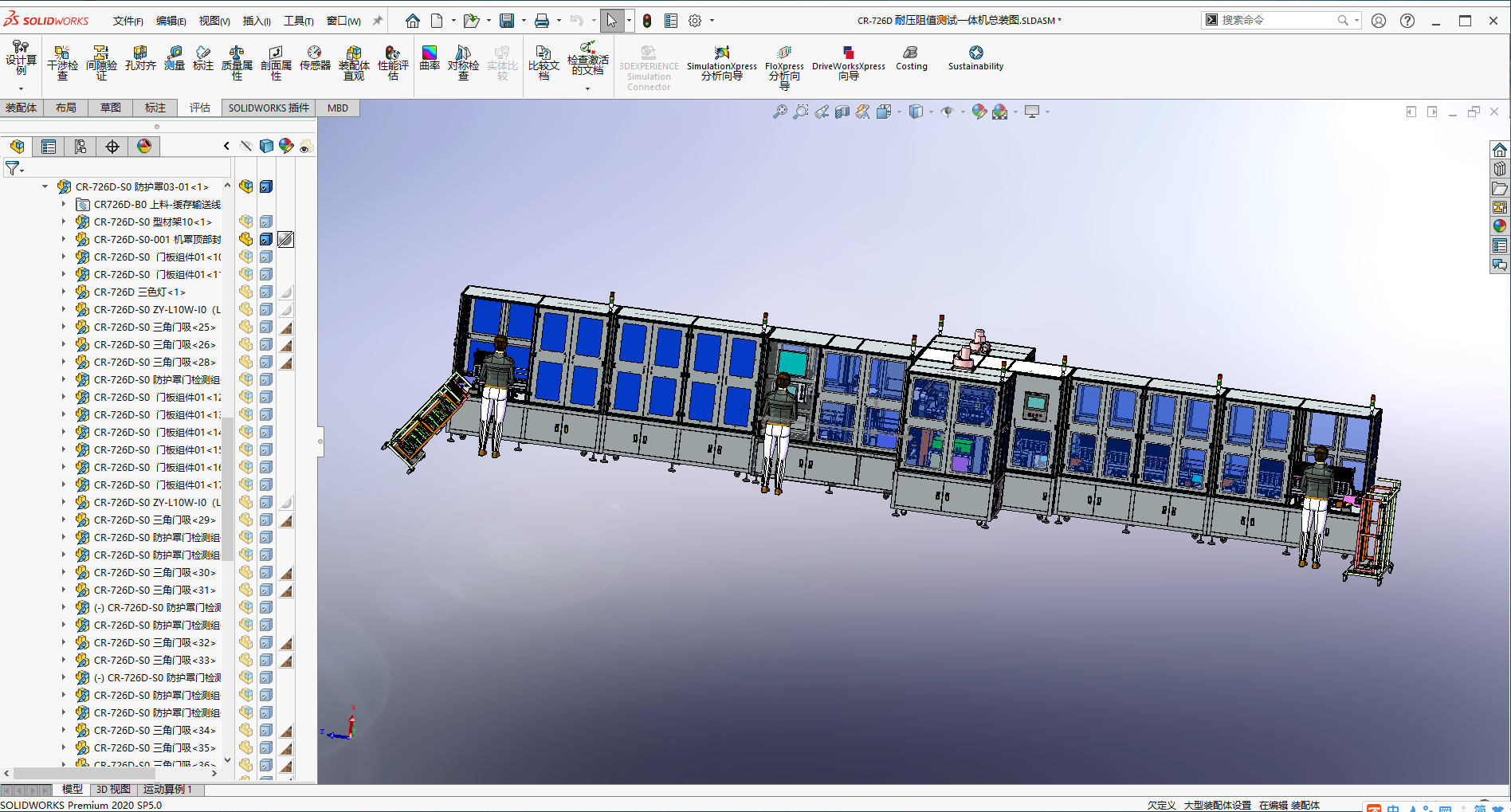
The electronics sensor project from September 4, 2023 lays out an NTC finishing line built around 58-ohm resistor joining, board encapsulation, shell insertion, dispensing and automated resistance-plus-hipot testing. That makes the scope a fully automated assembly line application for ntc sensor finishing line.
Planning objective
Our work does not stop at a process sketch. We quantify fixture counts, equipment counts, labor allocation and expected payback so the customer can evaluate both the production process and the investment logic.
Challenge
Multiple linked stages
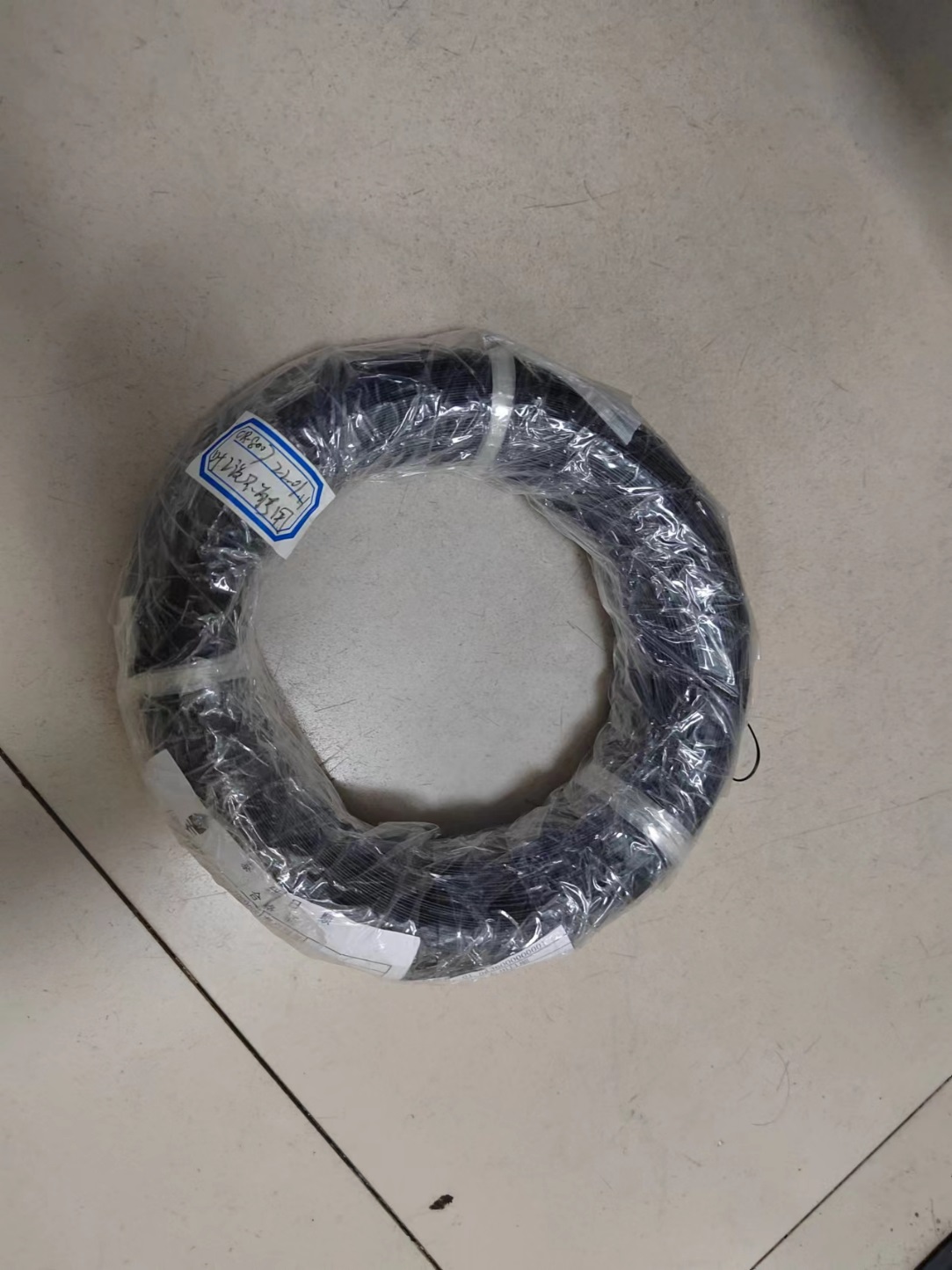
The line has to coordinate cutting and boarding, resistor shaping and soldering, encapsulation, shell insertion, manual sleeve work and auto testing. That creates a typical finishing-line problem: several medium-speed stages that need consistent handoff and fixture return.
Fixture and operator balancing
We sized not only machines but also supporting assets such as turnover carts, encapsulation frames and potting fixtures. That sizing translates into planned on-line labor and projected labor savings for a customer comparing automation against a manual baseline.
Testing requirements
The test stage combines resistance and high-voltage verification, so it needs dedicated fixtures and stable loading logic rather than simple bench testing.
Approach
Line configuration
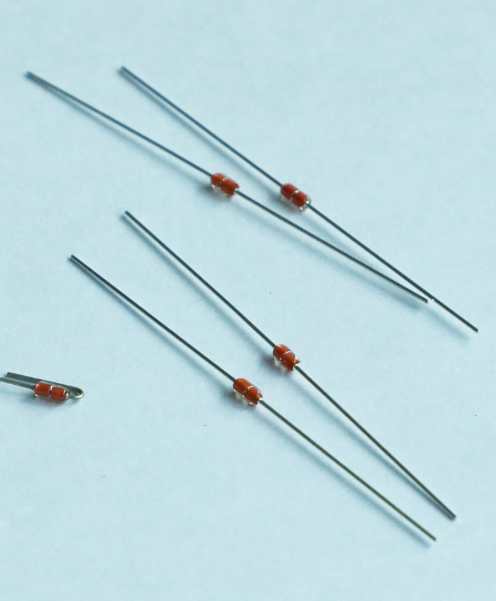
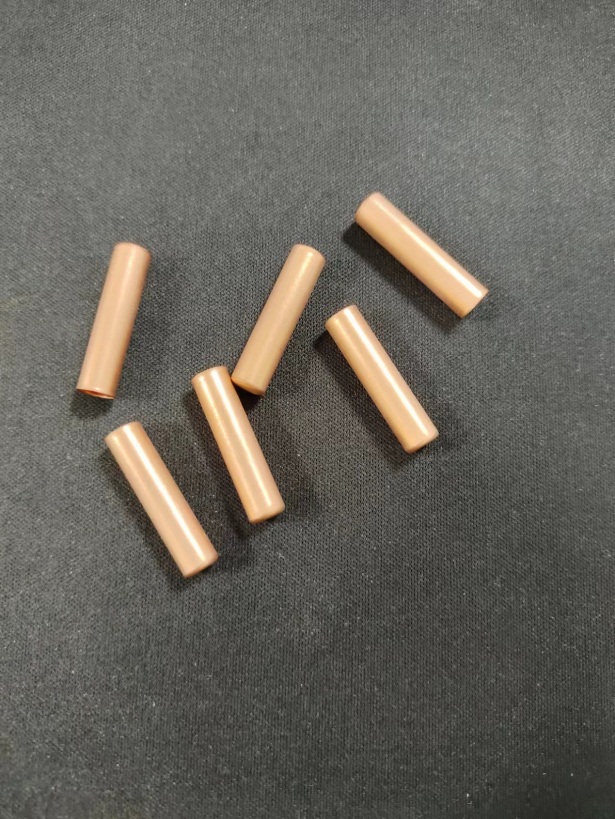
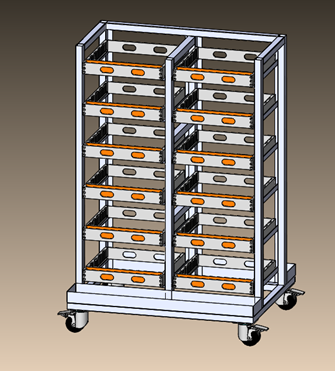
We begin with automatic boarding and 58-ohm resistor soldering, then move into encapsulation and shell-insertion stages. The middle process is supported by five turnover carts and sixty encapsulation frames, plus 150 potting fixtures for the later process.
Testing section
The testing segment is planned around one automatic resistance and hipot test machine. The project presents this as a core quality gate for the finishing line rather than a separate optional station.
Investment model
We specify an estimated tooling investment of about CNY 151,300 and equipment investment of about CNY 1.73 million, for an overall line investment of about CNY 1.8813 million. We also estimate that the automated line reduces on-line labor by 13 people and reaches payback in roughly 14 months.
Configuration and ROI table
| Area | Configuration | Planning value |
|---|---|---|
| Boarding | One four-wire boarding machine | 2,000 pcs/hour |
| Resistor welding | One dual-station 58-ohm resistor welding machine | 1,800 to 2,000 pcs/hour |
| Turnover | Encapsulation frames and carts | 60 frames, five turnover carts |
| Encapsulation | One encapsulation machine | 6,000 to 7,000 pcs/hour |
| Shell potting | One potting machine plus 150 potting fixtures | 4,000 to 5,000 pcs/hour |
| Resistance and hipot test | One automatic tester plus 40 turnover test fixtures | 3,000 to 4,000 pcs/hour |
| Planned staffing | Online operators after automation | Six people |
| Labor reduction | Compared with pure manual production | 13 people |
| Payback model | Based on the stated monthly labor saving | About 14 months |
Outcome
Proposed operating result
The finishing-line plan packages the NTC finishing route into one investment case covering process flow, support fixtures, testing and staffing. It gives the customer a clearer basis for deciding whether to move from manual work toward a more automated finishing line.
Business value
Because the design includes equipment counts, labor reduction and a payback estimate, it is positioned as an implementation-ready business case rather than only a technical concept.
Project Feedback
Share a short review of this case study or tell us what kind of automation project you want to compare it with.
No published reviews yet.