
Fully Automated Production Line for NTC Resistor Welding and Finishing Production Line
Fully Automated Production Line for NTC resistor welding and finishing, covering wire cutting, boarding, tin dipping, DO35 welding, cleaning, encapsulation and aging test.
See how we designed this project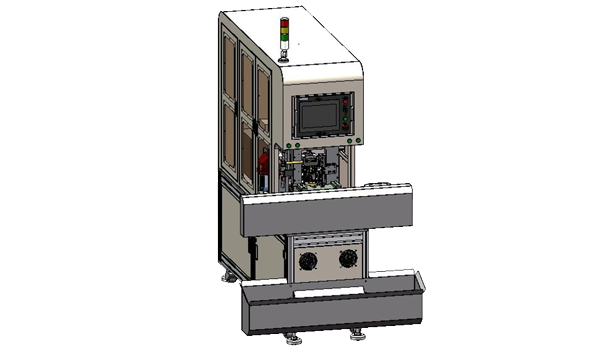
Project Snapshot
- Client Type
- NTC Sensor Manufacturer
- Timeline
- Project dated 2024-06-28
- Deliverables
- Wire cutting, tin dipping and boarding station
- Single-channel DO35 resistor welding station
- Ultrasonic cleaning, wire straightening and encapsulation planning
- Turnover-cart, encapsulation-frame and aging-test configuration
Background
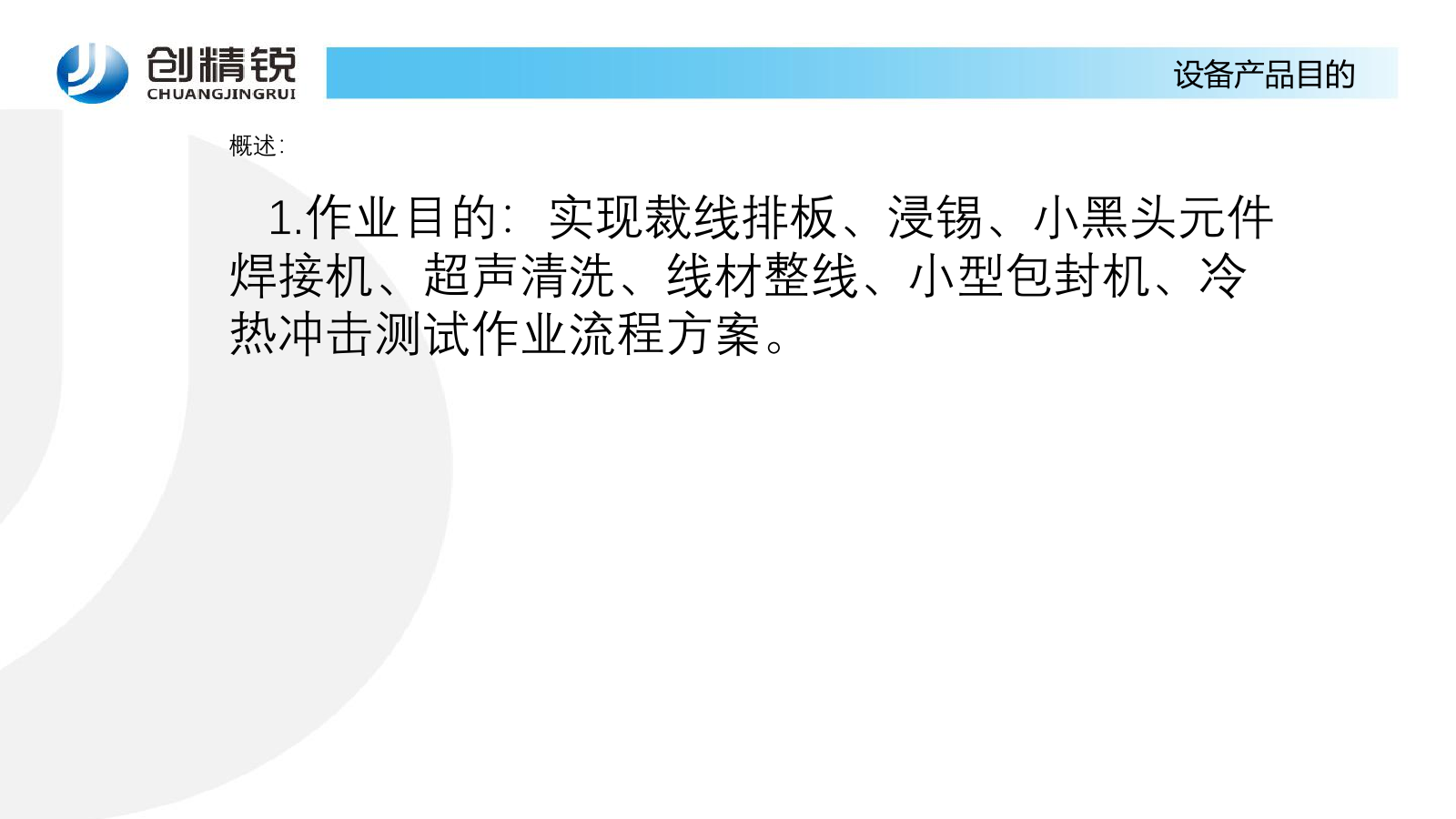
Project scope
We planned a full electronics sensor NTC resistor welding and finishing route that connects wire cutting and boarding, tin dipping, small-head component welding, ultrasonic cleaning, wire straightening, compact encapsulation and thermal-shock aging test work. That makes the scope a Fully Automated Production Line application for ntc resistor welding, cleaning, encapsulation and aging test.
The process is not a single machine replacement. It is a production-route package that defines the major stations, support fixtures, turnover method and several capacity points needed to move from loose manual steps toward a controlled NTC line.
Challenge
Matching upstream and downstream capacity
The line has to balance several different cycle profiles. Wire cutting and boarding can run faster than single-channel welding, while encapsulation and aging test require fixture and batch planning. Without enough wire boards, encapsulation frames and turnover carts, the line would stall even if the core machines are installed.
Protecting component geometry during welding
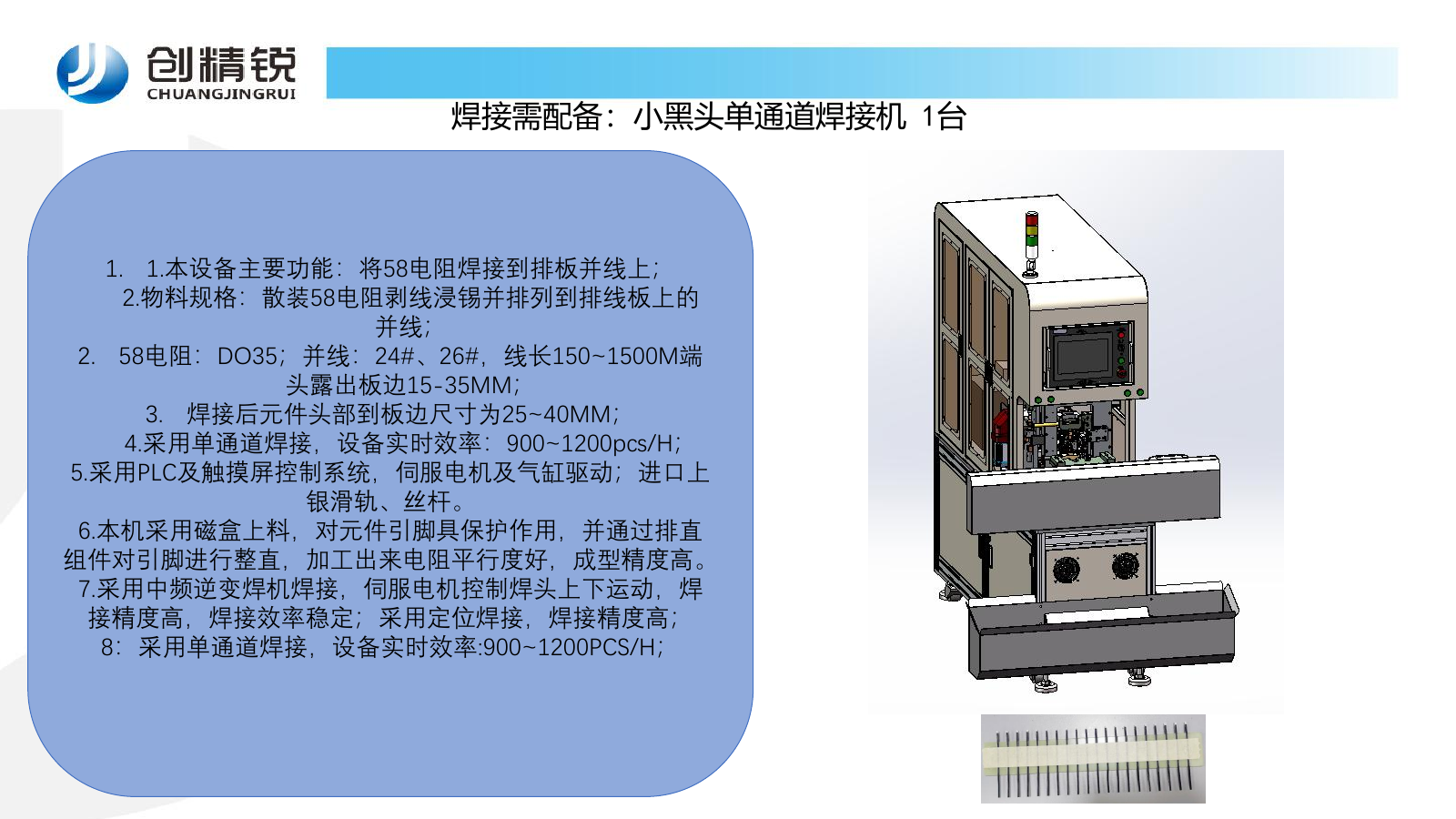
The welding station handles DO35 58-ohm resistors and 24# or 26# paired wire. The material range includes wire lengths from 150 to 1,500 mm, with the wire end exposed 15 to 35 mm beyond the board edge. After welding, the component head is specified 25 to 40 mm from the board edge, so resistor feeding, lead straightening, board positioning and welding-head control all matter.
Approach
Full-line process
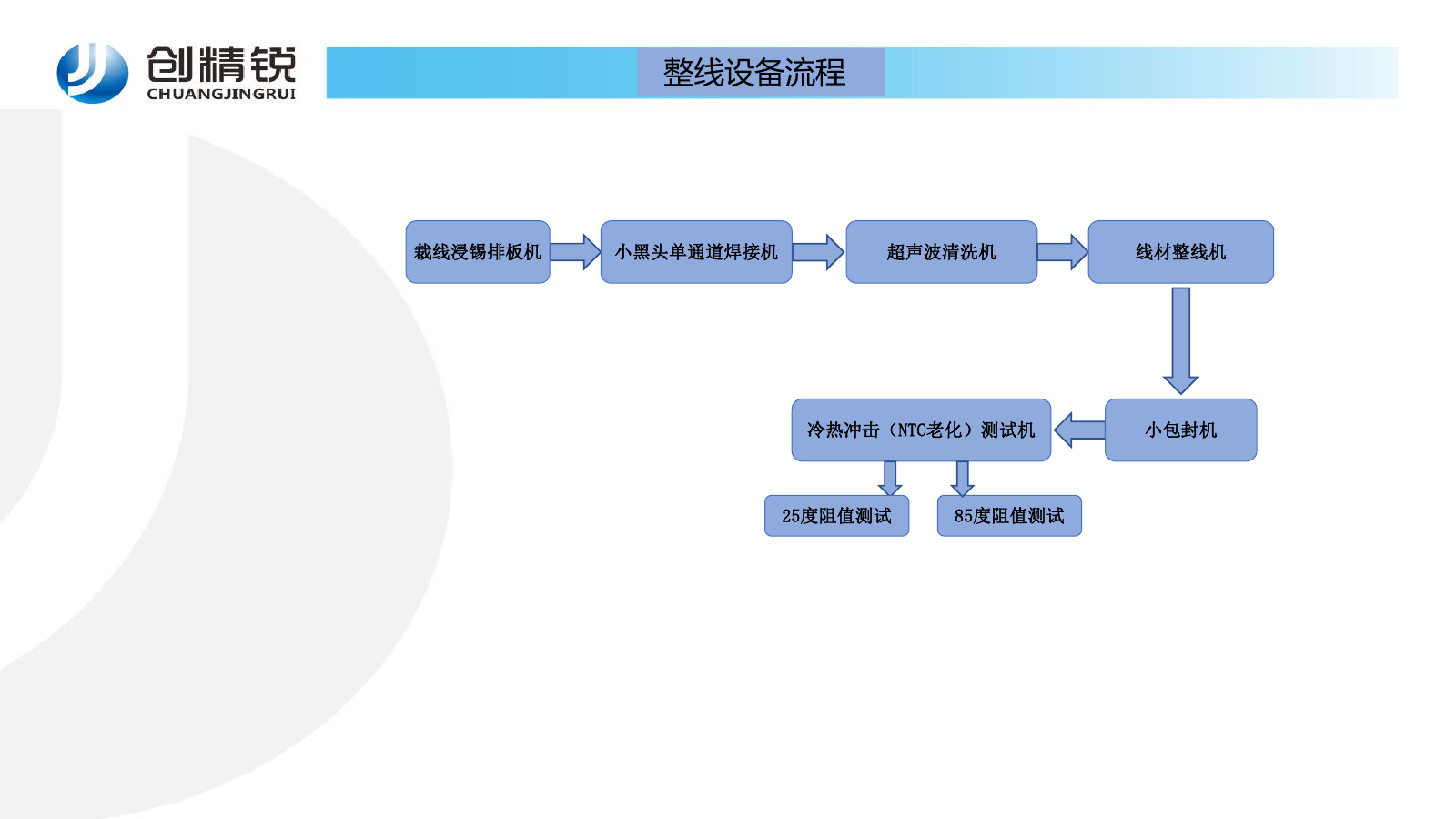
We arranged the route around six major stations: wire cutting, tin dipping and boarding; single-channel small-head resistor welding; ultrasonic cleaning; wire straightening; compact encapsulation; and NTC aging test. The testing package also includes 25-degree resistance test and 85-degree resistance test steps.
Wire cutting and boarding
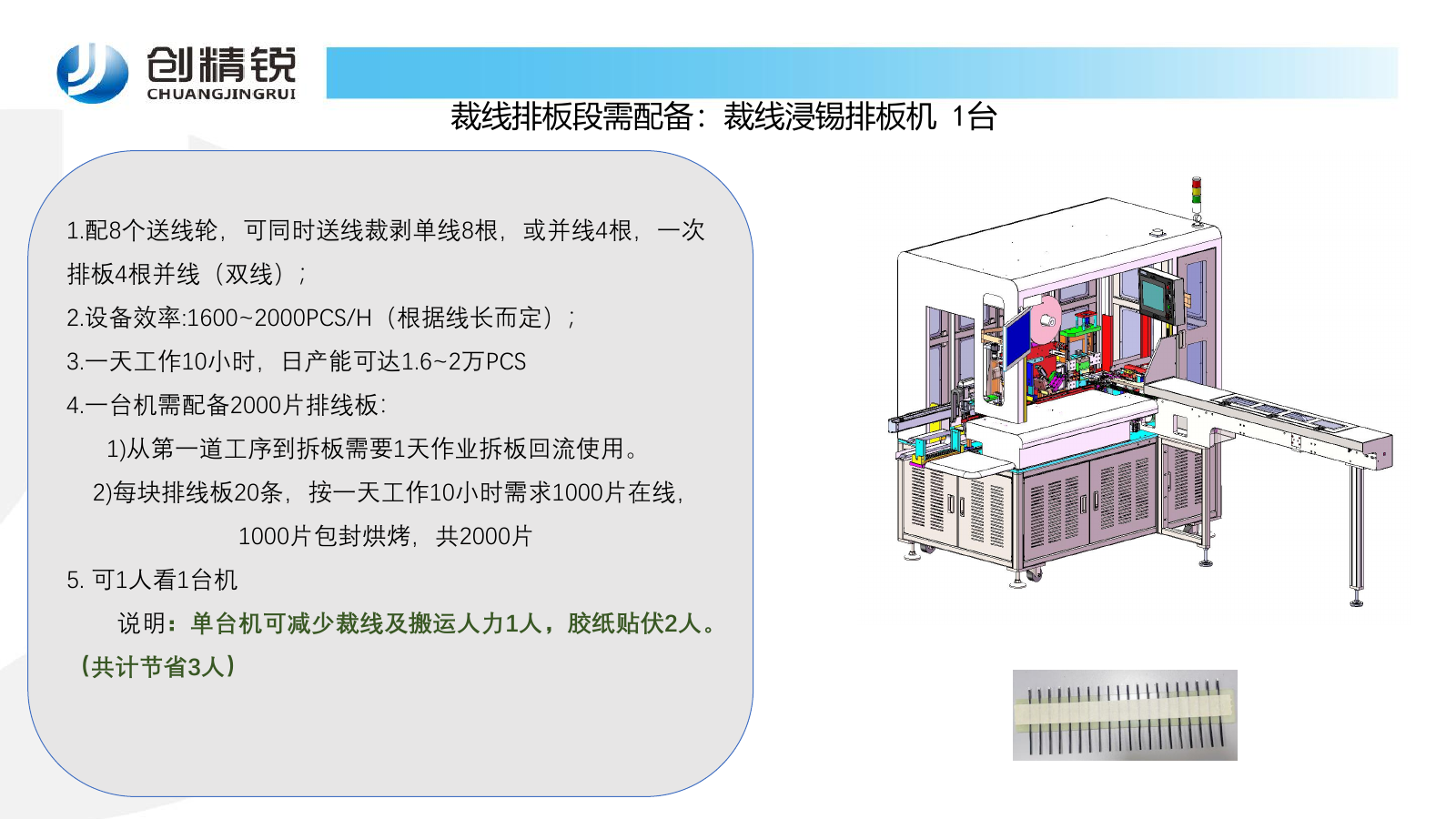
The wire cutting and boarding section uses one wire cutting, tin dipping and boarding machine. The configuration includes eight wire-feeding wheels, allowing simultaneous cutting and stripping of eight single wires, or four paired wires. For paired-wire boarding, the line places four paired wires per cycle.
The listed equipment efficiency is 1,600 to 2,000 pieces per hour depending on wire length. At 10 working hours per day, the daily capacity is listed at 16,000 to 20,000 pieces. The station also requires 2,000 wire boards: 1,000 boards online for a 10-hour day and 1,000 boards in encapsulation baking circulation. Each wire board holds 20 pieces.
Welding and cleaning
The resistor welding section uses one single-channel welding machine for welding 58-ohm DO35 resistors onto the boarded paired wires. It uses PLC and touchscreen control, servo-motor and cylinder drive, linear guide and screw transmission, magnetic-box feeding to protect resistor leads, lead-straightening before welding, and medium-frequency inverter welding with servo-controlled welding-head movement.
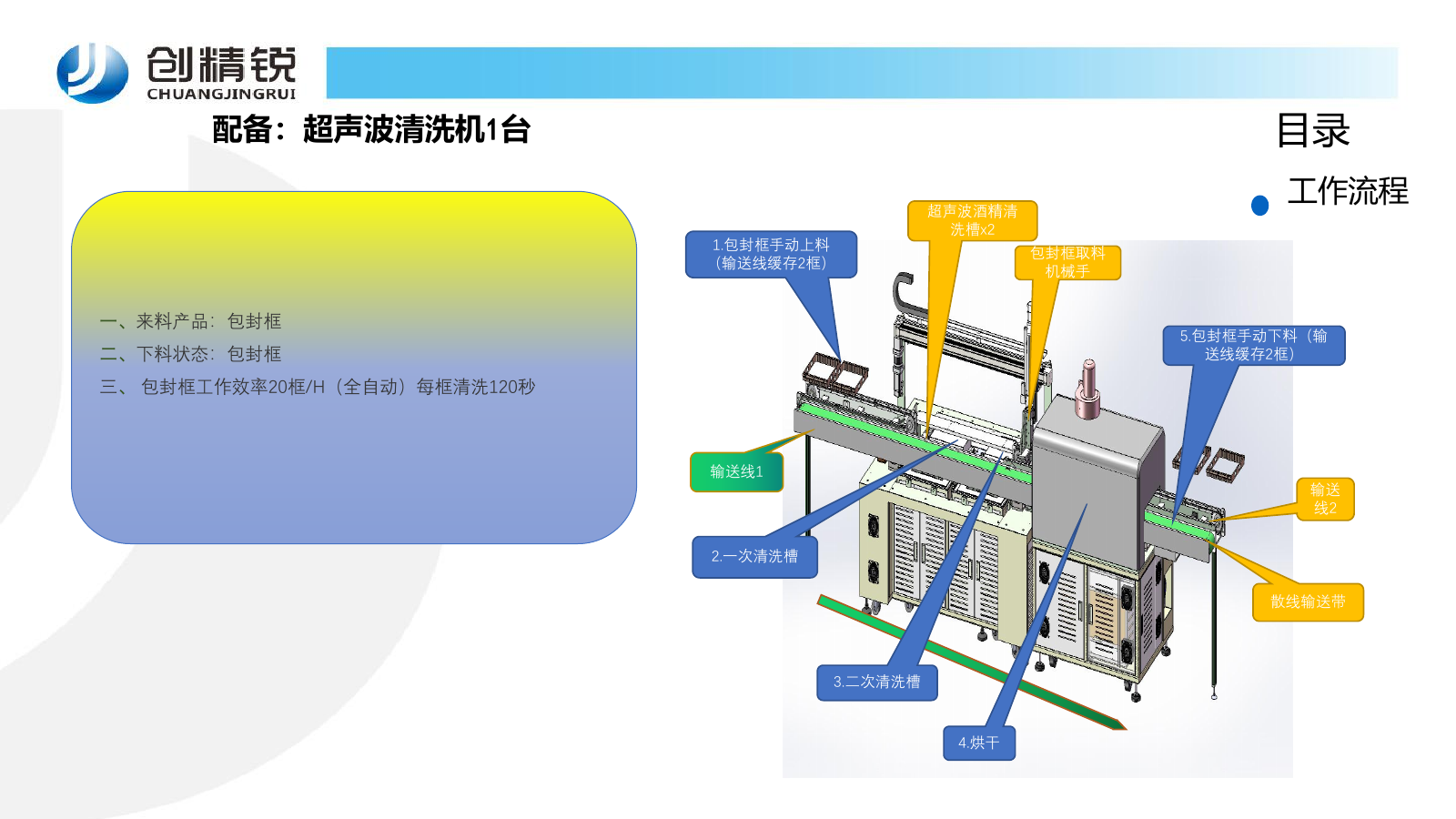
The listed real-time welding efficiency is 900 to 1,200 pieces per hour. After welding, the ultrasonic cleaning station is configured for manual loading and unloading of encapsulation frames, conveyor buffering for two frames, robot transfer, two alcohol ultrasonic cleaning tanks and drying. The cleaning station is listed at 20 frames per hour in automatic operation, with 120 seconds of cleaning per frame.
For a broader industrial NTC production-line example, see our industrial fully automated production line case study, where welding, cleaning, encapsulation and testing capacity are likewise planned as one full-line automation package.
Finishing, turnover and aging test
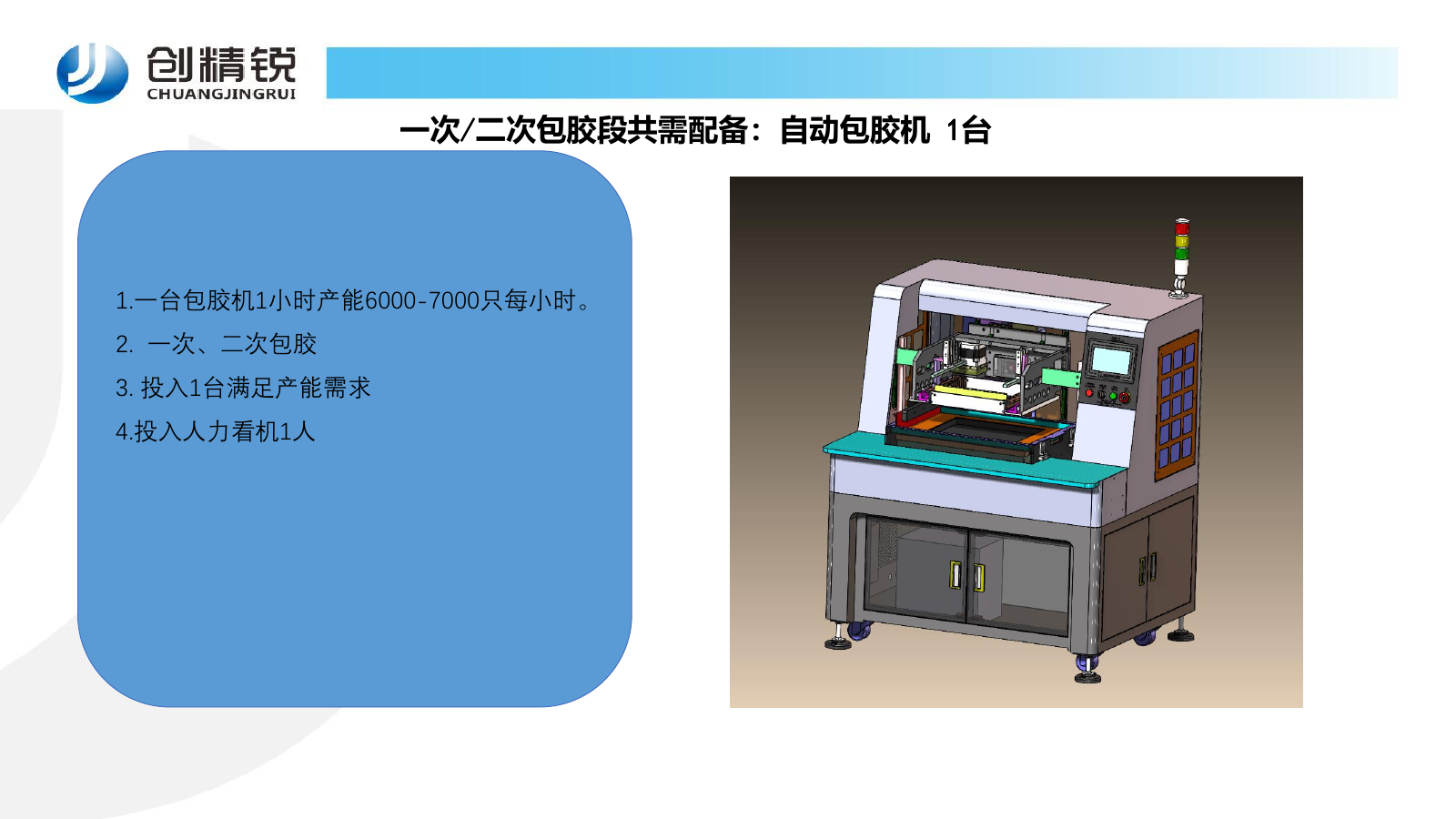
The line includes one desktop wire-straightening machine with manual loading and unloading and one operator. The encapsulation section uses one automatic encapsulation machine for first and second encapsulation, with a listed hourly capacity of 6,000 to 7,000 pieces and one operator.
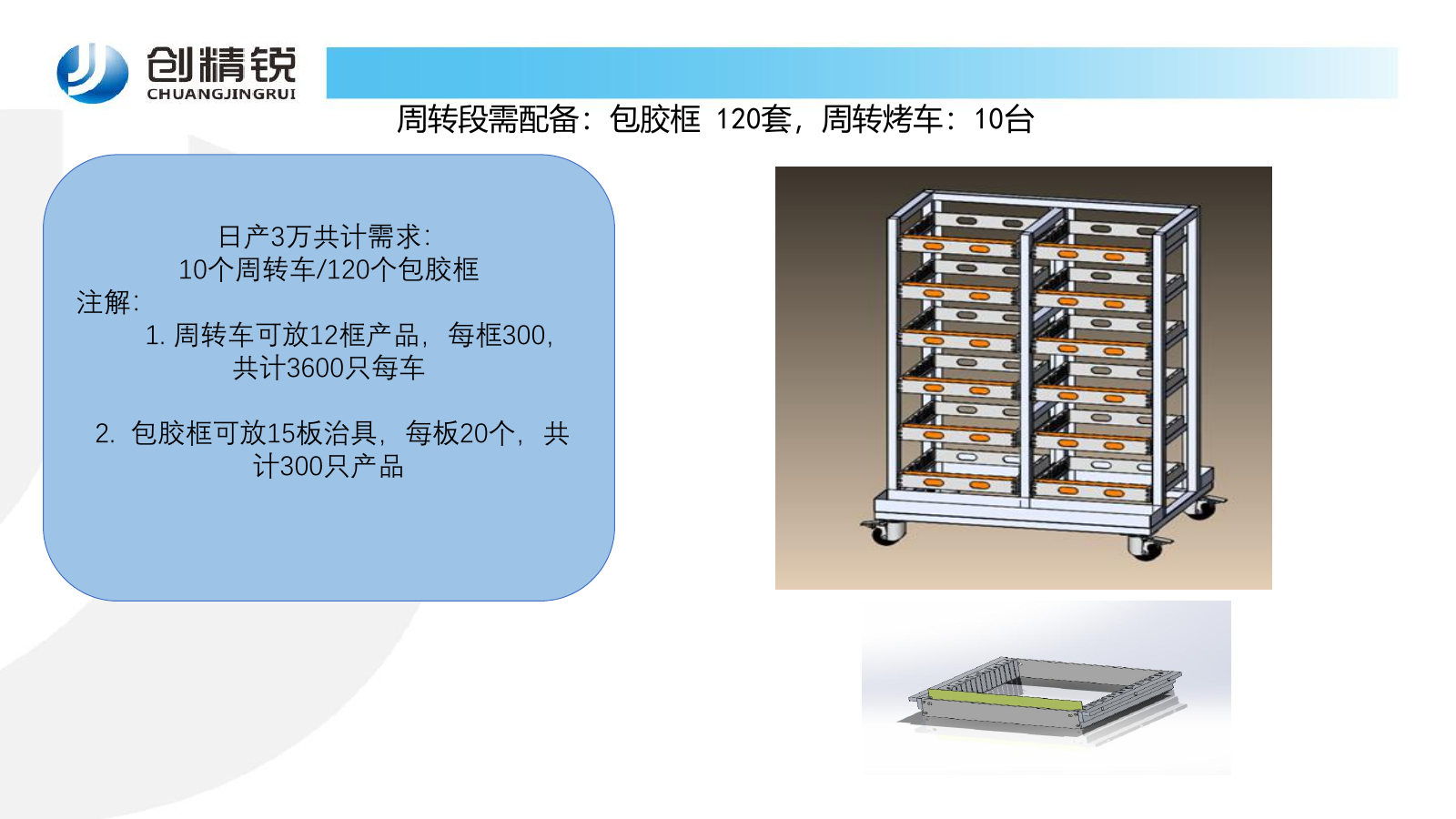
For a 30,000-piece daily target, the turnover plan lists 10 turnover carts and 120 encapsulation frames. Each turnover cart holds 12 frames, each frame holds 300 products, and each frame contains 15 board fixtures with 20 products per board.
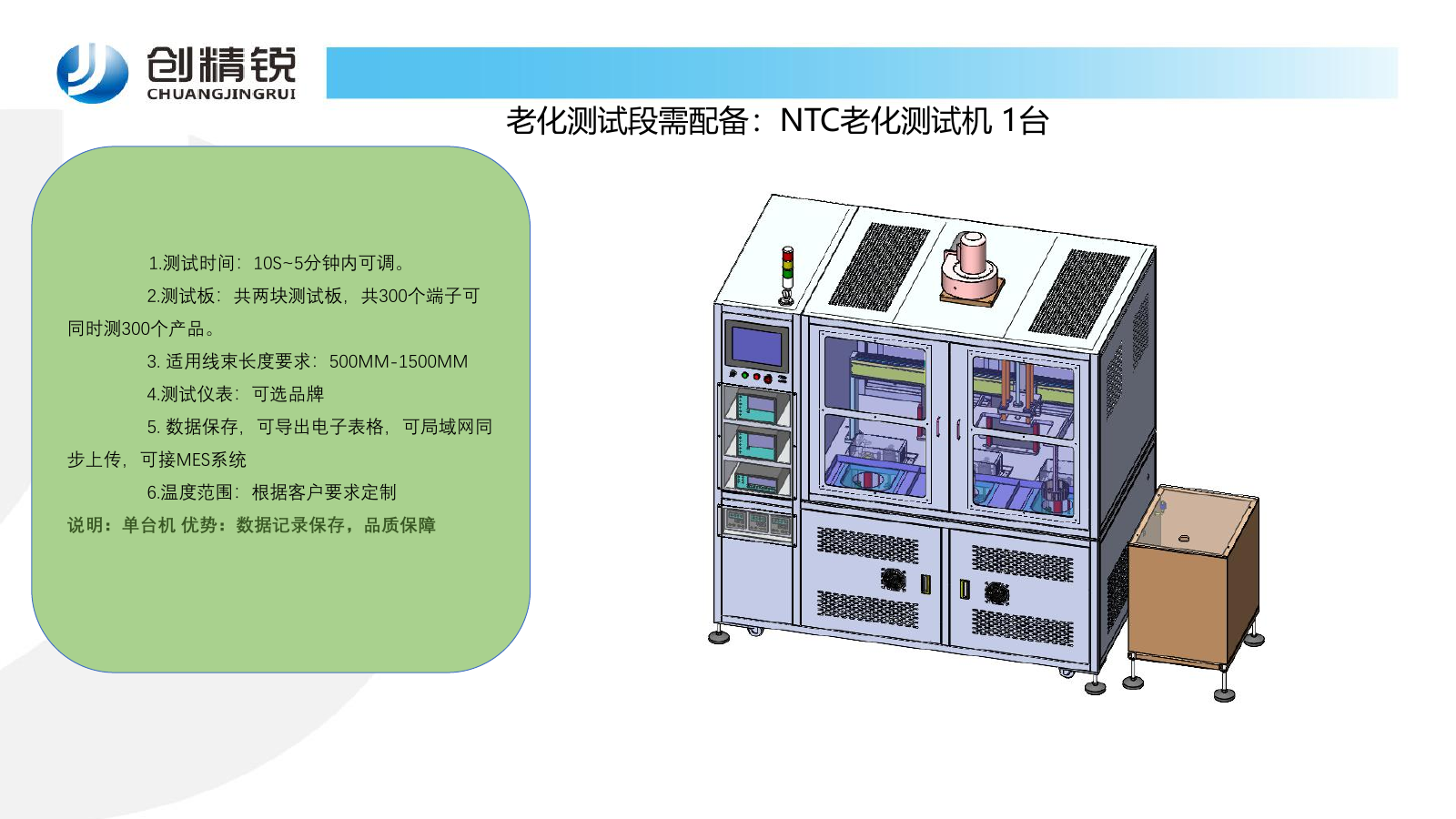
The aging-test section uses one NTC aging tester. The test time is adjustable from 10 seconds to 5 minutes. The station uses two test boards with 300 terminals total, so it can test 300 products at the same time. The compatible harness length is 500 to 1,500 mm. Data can be saved, exported to spreadsheets, uploaded over a local network and connected to MES.
Outcome
Proposed operating result
The resulting plan gives the production team a defined NTC manufacturing route with station-level equipment quantities, capacity assumptions and fixture circulation. It also makes the constraint points visible: welding capacity, encapsulation-frame circulation, turnover-cart quantity and aging-test batch capacity.
Labor and quality value
The wire cutting and boarding machine is listed as reducing one cutting/material-handling operator and two tape-fixing operators, for three people reduced at that section. The wire-straightening station is intended to reduce existing manual straightening defects, and the aging-test station adds stored data records for quality traceability. The available project data does not include equipment price or payback period, so we do not assign an ROI figure.
Project Feedback
Share a short review of this case study or tell us what kind of automation project you want to compare it with.
No published reviews yet.