
Automated Test System for Automated Assembly System for NTC Finishing Line with CCD Inspection and Auto Cleaning
Automated assembly system and Automated Test System for NTC finishing, adding CCD weld-offset inspection and automatic cleaning to boarding, soldering and testing.
See how we designed this project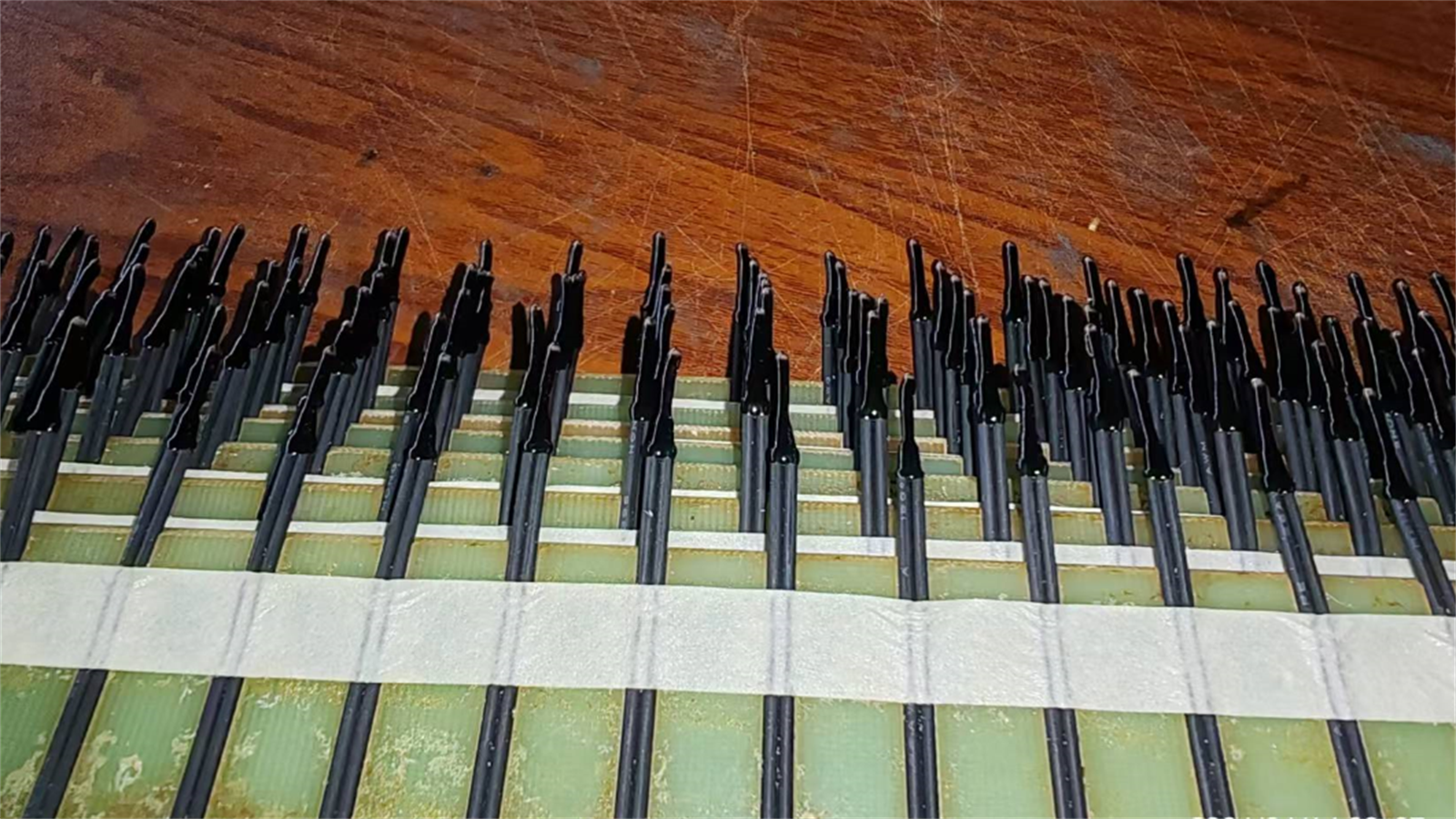
Project Snapshot
- Client Type
- NTC Sensor Manufacturer
- Timeline
- Project dated 2024-08
- Deliverables
- 24#-26# wire-compatible boarding section
- Welding, tinning and CCD inspection sequence
- Automatic cleaning and encapsulation setup
- Resistance, hipot and downstream finishing plan
Background
Project scope
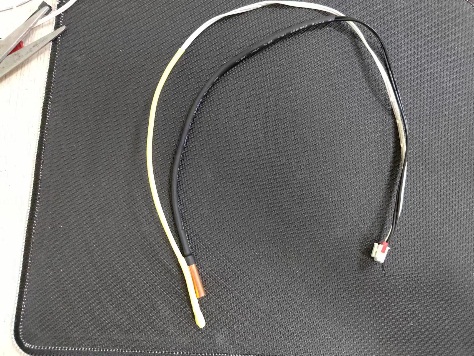
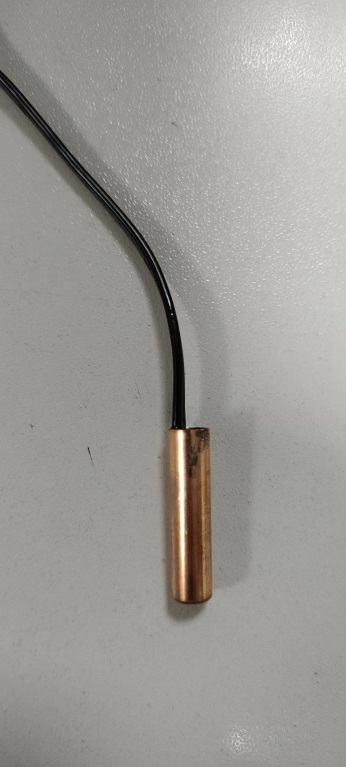
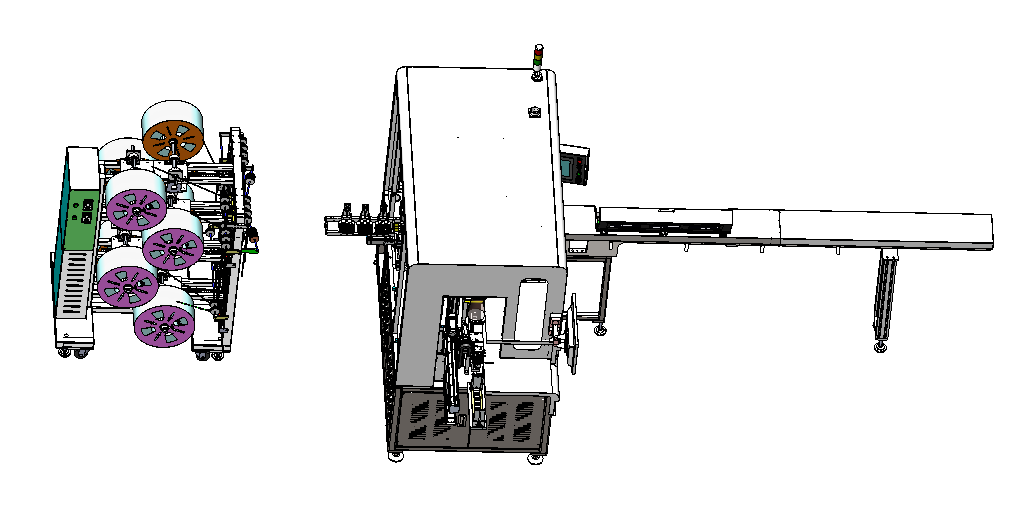
We designed an electronics sensor finishing line that covers NTC boarding, welding, automatic tinning, CCD inspection, automatic cleaning, encapsulation, shell insertion, resistance and hipot testing, and downstream manual finishing. That makes the scope an automated assembly system application for ntc finishing line with inspection and cleaning. That makes the scope an Automated Test System application for ntc finishing line with inspection and cleaning.
Process positioning
Compared with simpler NTC lines, this project adds explicit inspection and cleaning stations between the joining and encapsulation stages. The design is therefore focused on both throughput and tighter process control.
Challenge
Mixed process stack
This line has to coordinate more distinct steps than the basic finishing-line projects: boarding, welding, tinning, CCD-based weld checking, automatic cleaning, encapsulation, shell insertion, resistance testing, hipot testing and later manual assembly tasks.
Compatibility and quality limits
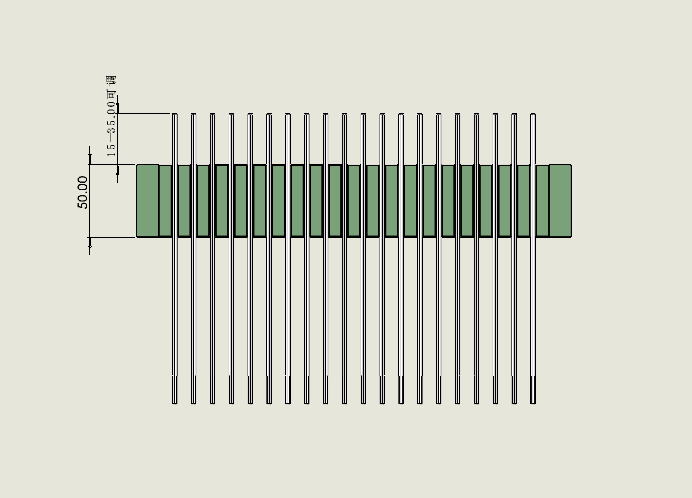
We designed for compatibility with 24# and 26# twin wire and defined material and dimensional requirements such as cut length range, strip length tolerance, board dimensions and board loading quantity. The line also targets an overall defect rate below 0.5 percent.
Inspection after joining
The CCD section is used to detect weld-offset conditions after tinning and joining. That adds an inspection gate specifically intended to prevent poor alignment from flowing into encapsulation and later-stage operations.
Approach
Front-end configuration
We sized the boarding machine at about 2,000 pieces per hour and the welding and tinning sections at roughly 1,800 to 2,000 pieces per hour. It also gives detailed wire, strip and board parameter requirements for stable operation.
CCD and auto-cleaning sequence
After joining, the line inserts CCD inspection and an automatic cleaning machine. We treat this as a dedicated segment rather than a manual cleanup task, which helps standardize visual and solder-quality control before encapsulation.
For a related consumer-electronics assembly application, see our consumer electronics automated assembly system case study, where inspection, cleaning and downstream process control are planned as part of one automated production route.
Downstream finishing
The later process includes automatic encapsulation, shell insertion and dispensing, manual supplemental glue after bake, automatic resistance and hipot testing, and manual sleeve cutting, terminal insertion and plastic-seat work. The plan also quantifies board counts and capacity for a 20,000-piece daily target.
Key technical parameters
| Area | Configuration | Planning value |
|---|---|---|
| Wire compatibility | Twin wire | 24# to 26# |
| Wire length | Cutting and boarding section | 50 to 1,200 mm |
| Strip length tolerance | Front-end stripping | +/- 0.5 mm |
| Board loading | Empty board and finished-board handling | 60 to 80 empty boards, 25 to 30 finished boards |
| Boarding machine | Real operating efficiency | 2,000 to 2,500 pcs/hour |
| Welding and tinning | Welding plus four-station tinning sequence | 1,800 to 2,000 pcs/hour |
| CCD inspection | Dedicated inline weld-offset inspection | 1,800 to 2,000 pcs/hour |
| Automatic cleaning | Dual-station cleaning machine | 1,800 to 2,000 pcs/hour |
| Encapsulation | One encapsulation machine | 6,000 to 7,000 pcs/hour |
| Resistance and hipot test | One automatic tester | 3,000 to 4,000 pcs/hour |
Equipment package
We added CCD inspection and automatic cleaning between joining and encapsulation, so the line can catch weld-offset issues before potting. The technical package also includes five turnover carts, 60 encapsulation frames, 150 potting fixtures, one potting machine and one resistance/hipot test machine. The original investment model estimates CNY 151,300 in tooling, CNY 1.95 million in equipment and CNY 2.1013 million total investment, with six online operators planned for the automated flow.
Outcome
Proposed operating result
The resulting line concept is more quality-controlled than the simpler NTC flows because it adds inline inspection and cleaning before encapsulation. We position it as a complete finishing route rather than only a set of machines.
Capacity and control value
The design is configured around a 20,000-piece daily target and adds structured quality controls such as CCD offset inspection, explicit dimensional requirements and automated resistance and high-voltage verification. That combination improves process consistency without pretending every downstream handling step should be fully automated.
Project Feedback
Share a short review of this case study or tell us what kind of automation project you want to compare it with.
No published reviews yet.