
Lead Forming Equipment for Taped Varistor Multi-Shape Forming Machine
Lead Forming equipment for taped varistors, using reel loading, automatic feeding, lead cutting, two-position forming, PPU transfer and collection-box unloading.
See how we designed this project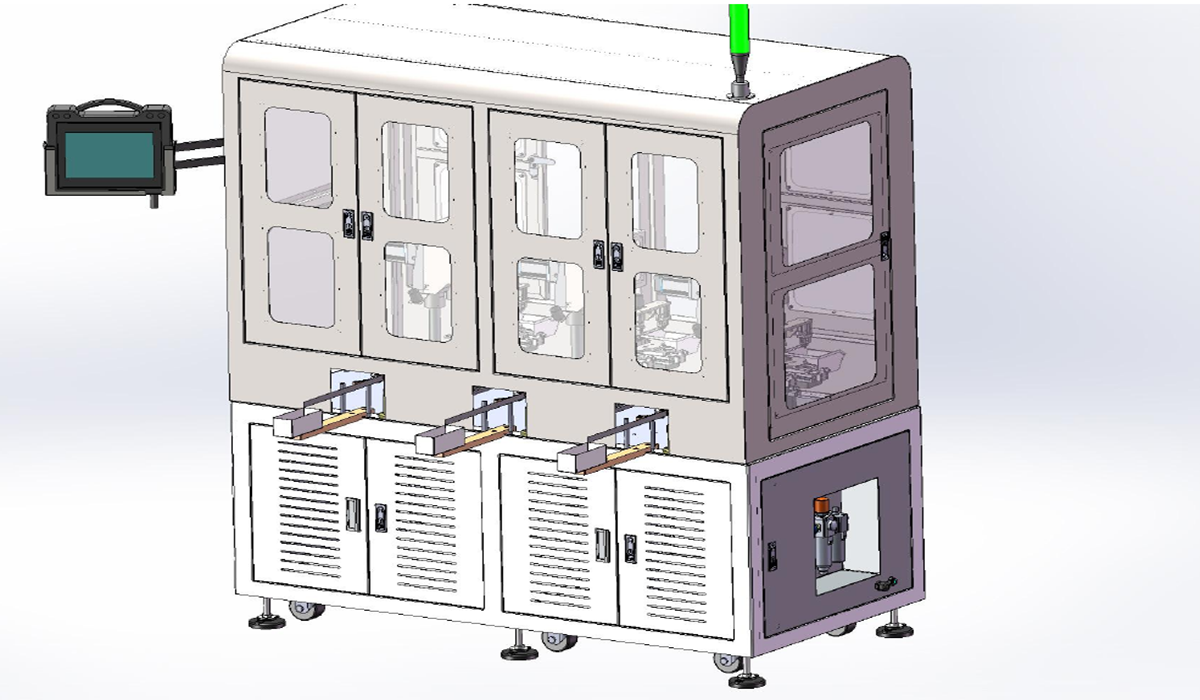
Project Snapshot
- Client Type
- Electronics Manufacturer
- Timeline
- Project dated 2026-01-06
- Deliverables
- Taped varistor feeding and lead-cutting process
- Two-position forming route with PPU transfer
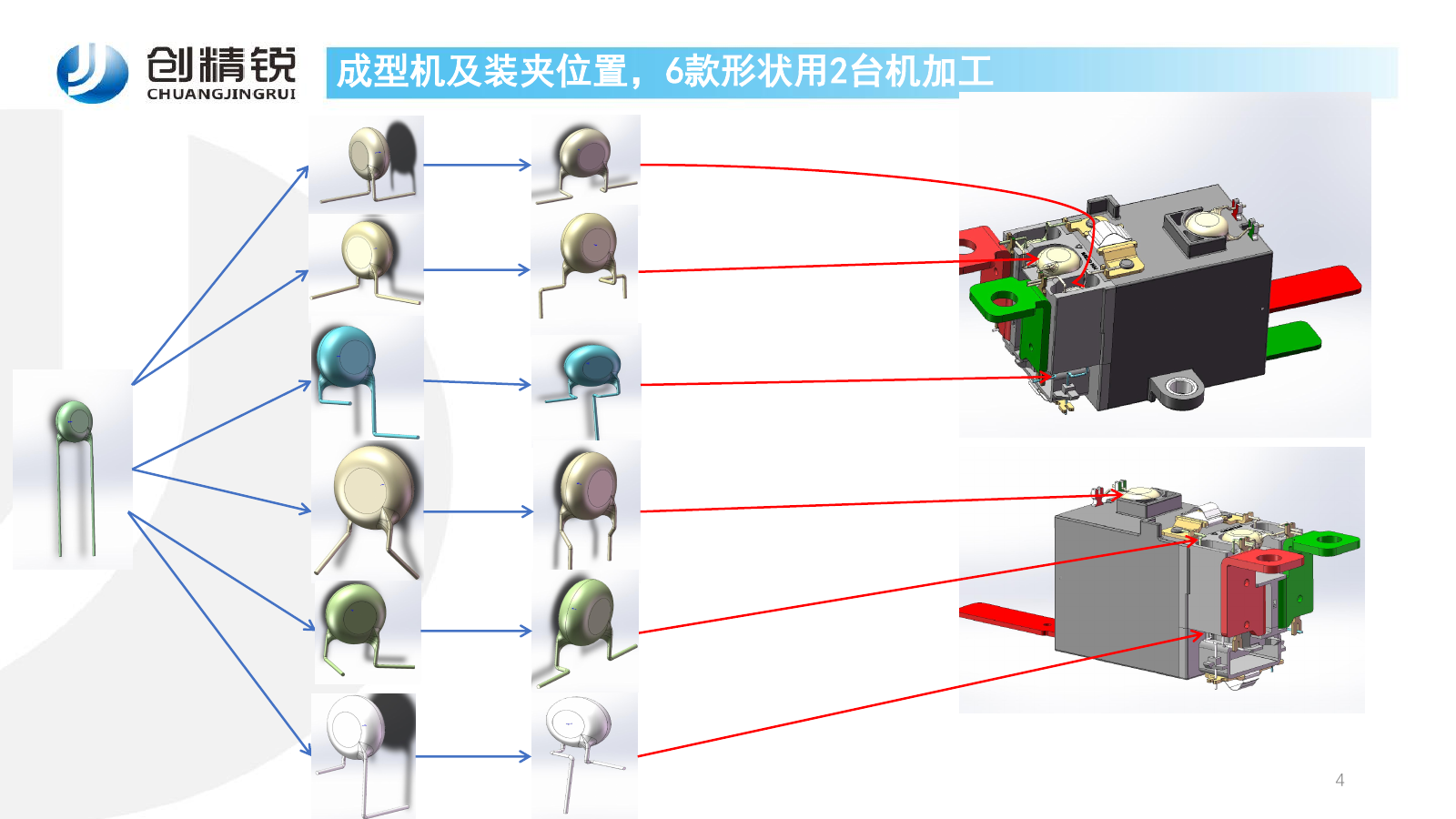
- Six-shape compatibility plan using two machines
- Reference machine dimensions, utility requirements and capacity
Background
Project scope
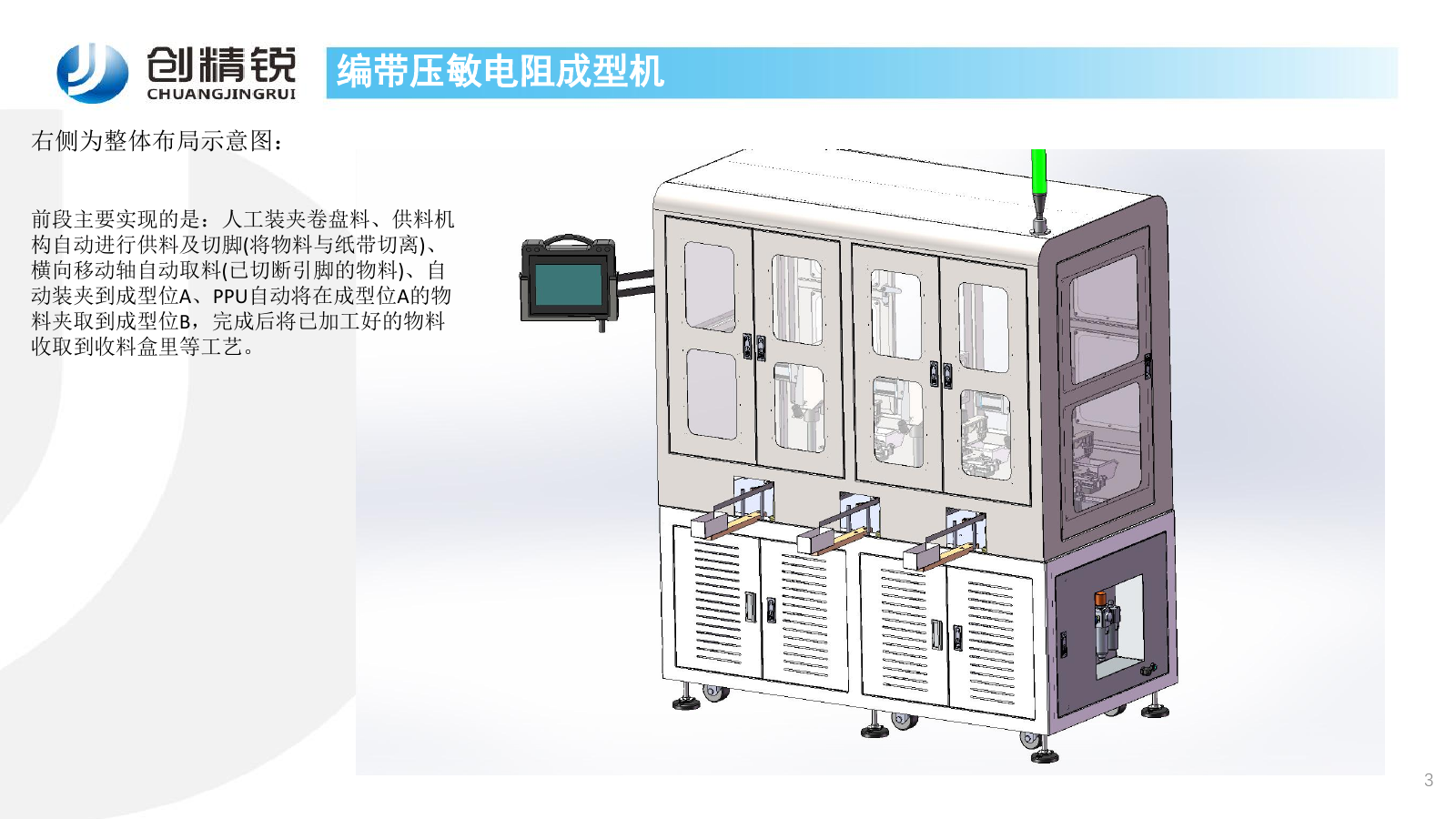
We designed an electronics component taped varistor forming machine for parts supplied on reel tape. The front-end process starts with manual reel loading, then the feeding mechanism automatically feeds the taped material and cuts the leads to separate the component from the paper tape. That makes the scope a Lead Forming equipment application for taped varistor lead cutting and multi-stage forming.
After cutting, a transverse moving axis picks the cut component, clamps it into forming position A, and a PPU transfers the component from forming position A to forming position B. After the forming sequence is complete, finished parts are collected into a receiving box.
Challenge
Covering multiple shapes without one machine per shape
The forming plan covers six forming shapes. Instead of dedicating one machine to every shape, the equipment layout uses two machines, with three forming groups on each machine. That approach keeps the forming coverage broad while avoiding an unsupported claim of universal compatibility.
Coordinating cutting, forming and transfer
The process has to cut the taped component from the carrier, hold the component after the leads are cut, move it through multiple forming stages and collect finished parts. The machine therefore needs synchronized reel feeding, lead cutting, transverse pickup, multi-stage tooling and PPU handoff.
Approach
Machine configuration
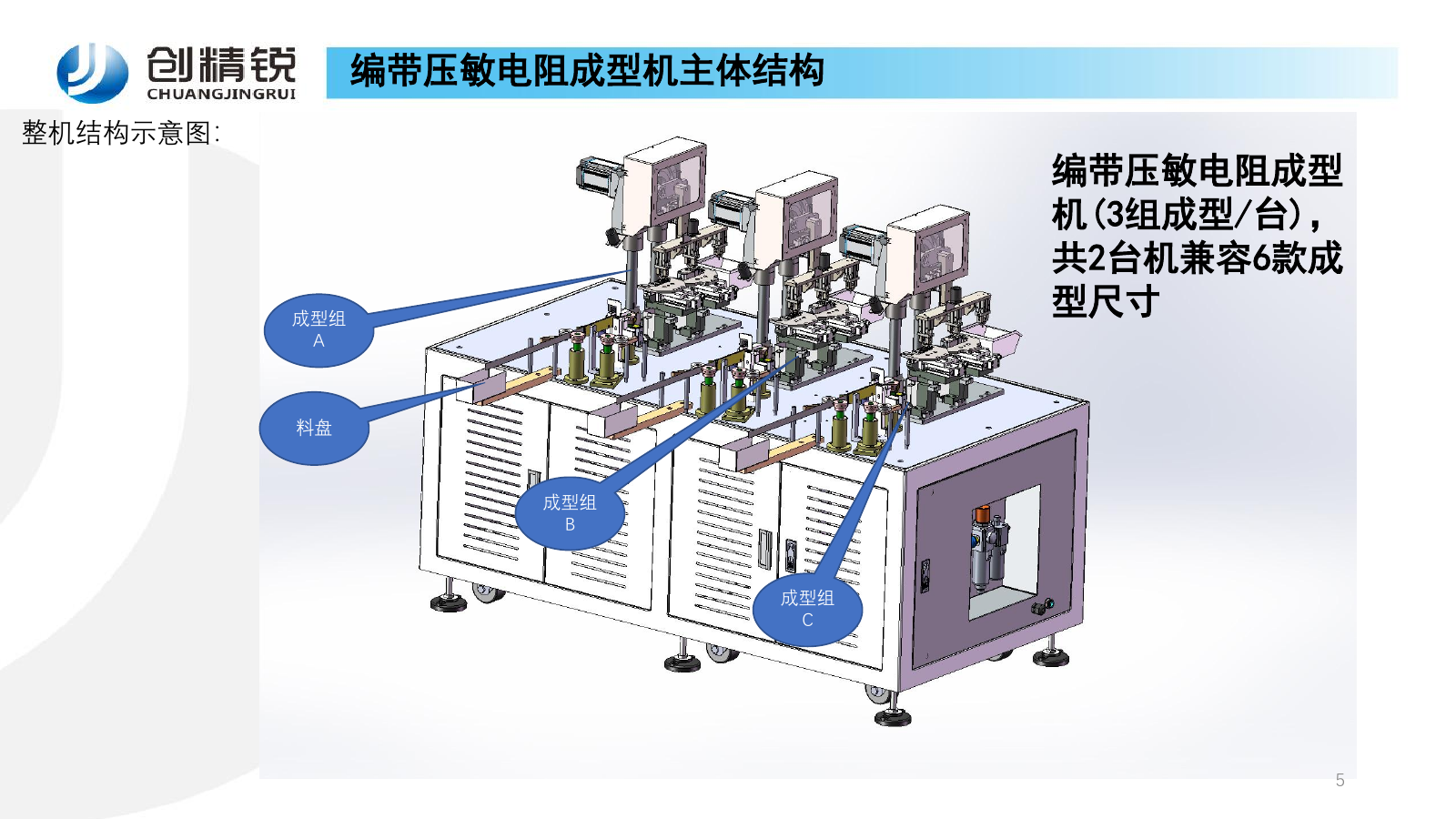
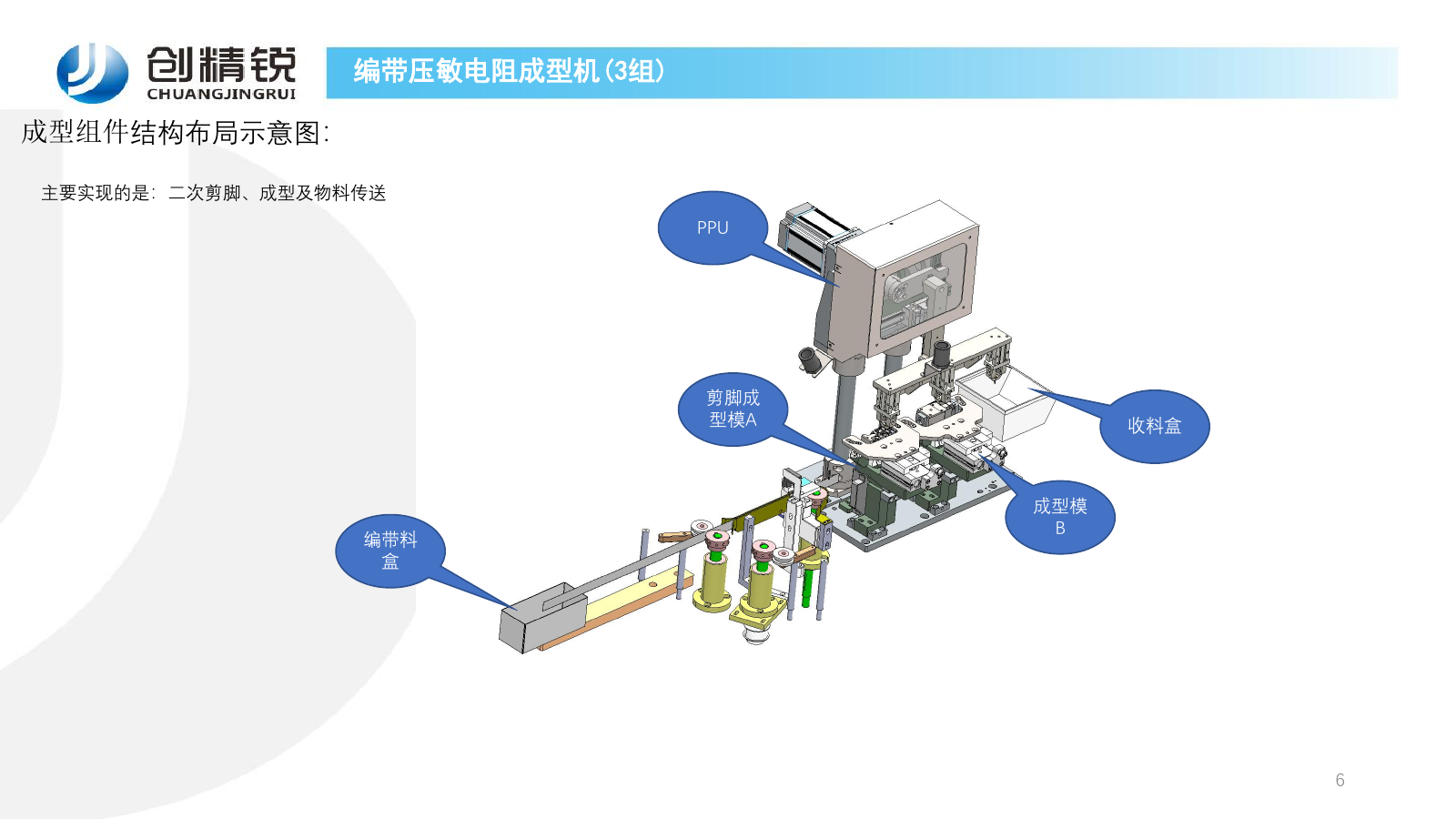
The machine body is organized around the reel material position, forming group A, forming group B, forming group C, cutting and forming tooling, PPU transfer and a collection box. Each machine carries three forming groups; the full plan uses two machines to process six forming sizes.
Forming process
The three-group forming layout focuses on secondary lead cutting, forming and material transfer. The station layout includes taped-material storage, cutting/forming die A, forming die B, PPU transfer and the collection box.
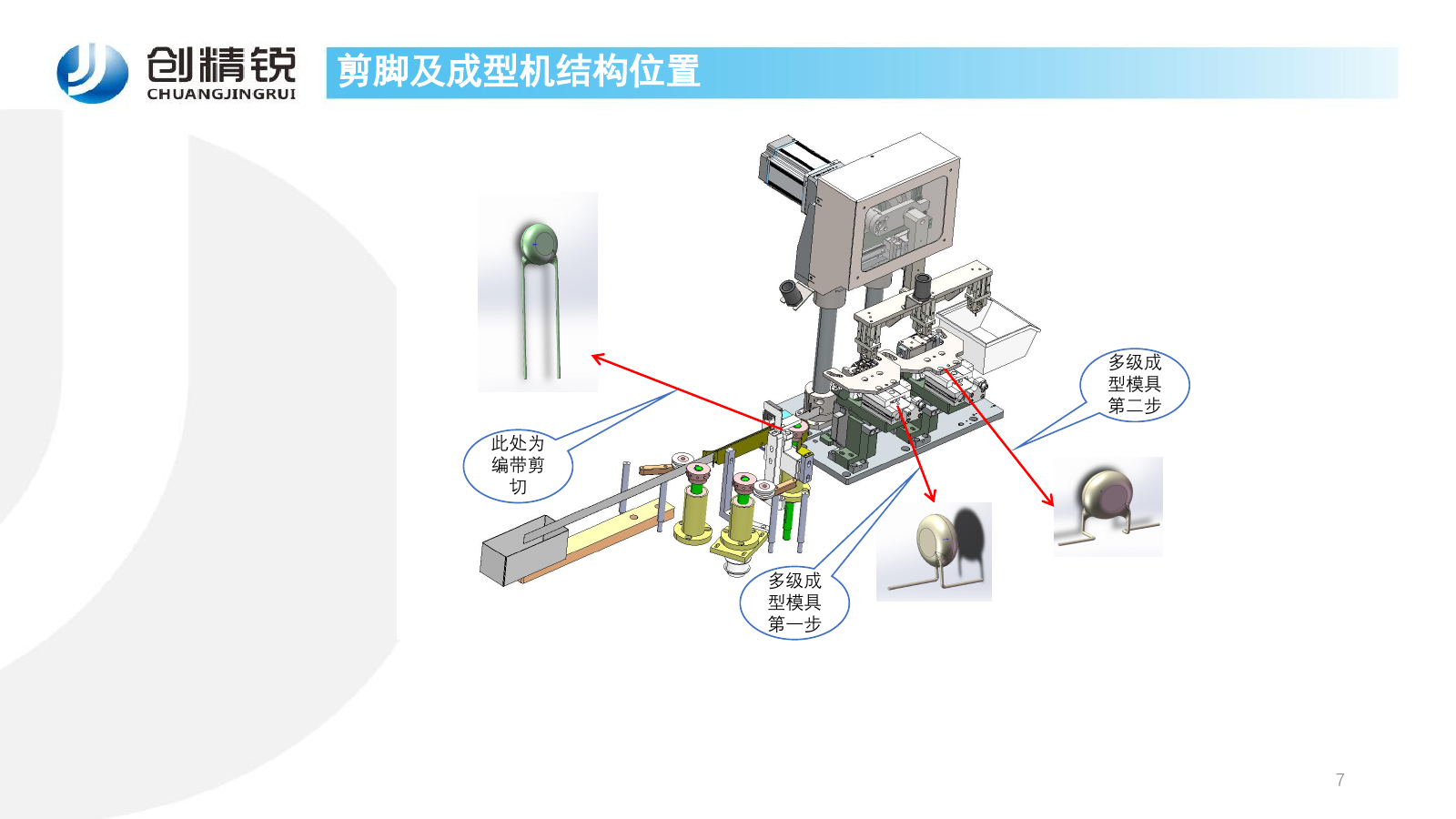
The cutting and forming position plan separates the tape-cutting step from multi-stage forming. The first forming step and second forming step are handled by multi-stage forming tooling, so lead geometry is built progressively rather than in a single uncontrolled bend. For more context on how Robotlyne approaches component lead forming automation, see our lead forming equipment case study.
Reference specifications
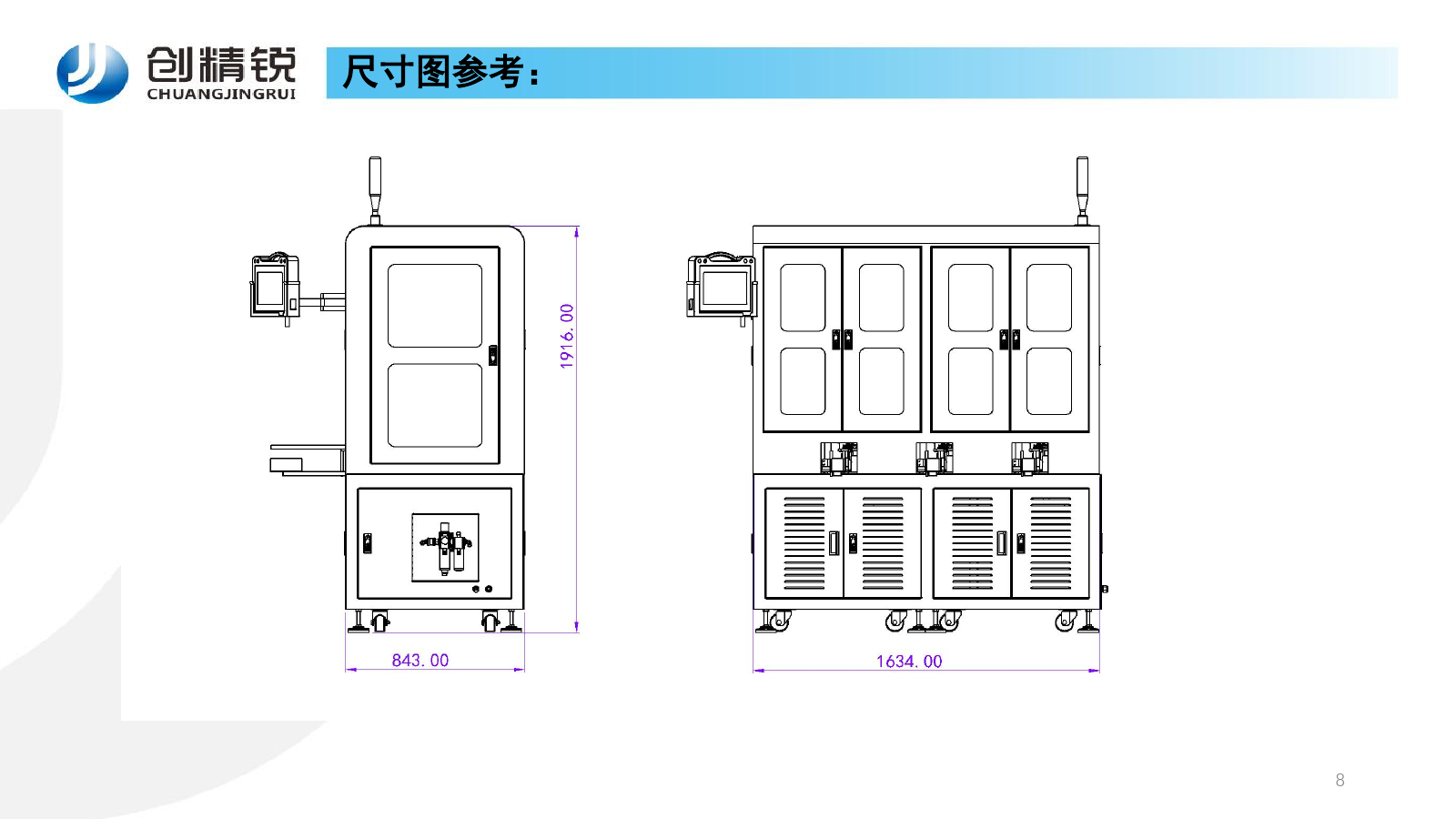
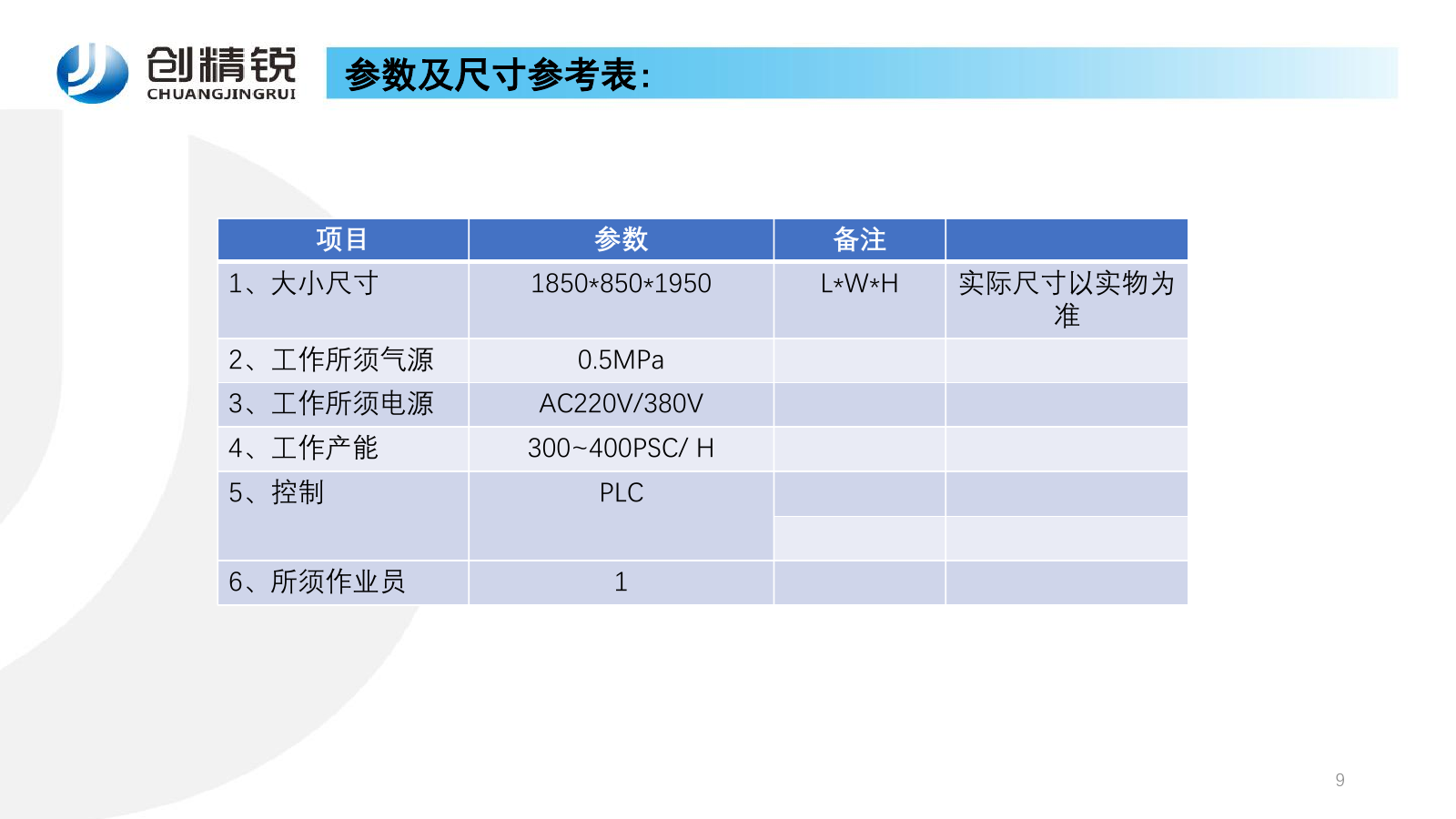
The reference machine size is 1,850 x 850 x 1,950 mm, L x W x H. The workbench requires 0.5 MPa air supply and AC220V or AC380V power. The control system is PLC-based, the listed output is 300 to 400 pieces per hour, and the operating requirement is one operator.
| Item | Confirmed specification |
|---|---|
| Reference size | 1,850 x 850 x 1,950 mm, L x W x H |
| Air supply | 0.5 MPa |
| Power supply | AC220V / AC380V |
| Capacity | 300 to 400 pieces per hour |
| Control | PLC |
| Operator count | 1 operator |
| Compatibility plan | Two machines, three forming groups per machine, six forming shapes total |
Outcome
Proposed operating result
The resulting system packages reel-fed varistor forming into a controlled station with automatic feeding, lead cutting, two-position forming, PPU transfer and collection-box output.
Engineering value
The main value is controlled shape coverage. By planning three forming groups per machine and two machines for six shapes, the line can cover the listed shape family while keeping each forming group physically defined. The available project data does not include investment amount, labor saving or payback period, so we do not assign an ROI figure.
Project Feedback
Share a short review of this case study or tell us what kind of automation project you want to compare it with.
No published reviews yet.