
Inquiries, partnerships, and case study downloads:sales@robotlyne.com
Automated Production Line for NTC Water-Temperature Sensor Intelligent Production Line
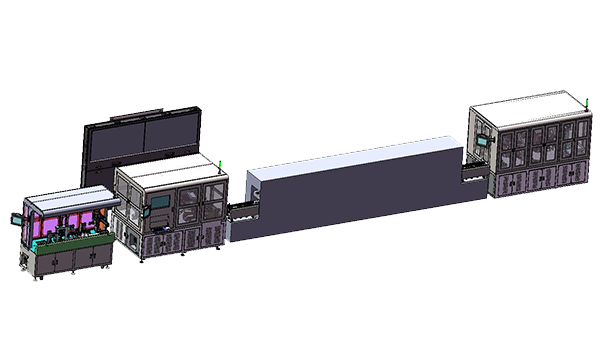
Automated Production Line for automotive NTC water-temperature sensors, linking NTC DC welding, tray transfer, glue dispensing, curing, riveting, laser marking and testing.
Project Snapshot
- Client Type
- Automotive Sensor Manufacturer
- Timeline
- Project dated 2026-03-12
- Deliverables
- NTC automatic welding and tray-transfer concept
- Front assembly line with glue dispensing, O-ring loading and NTC insertion
- High-temperature curing and rear assembly test line
- Centralized control, PLC, vision and robot integration concept
Background
Project scope
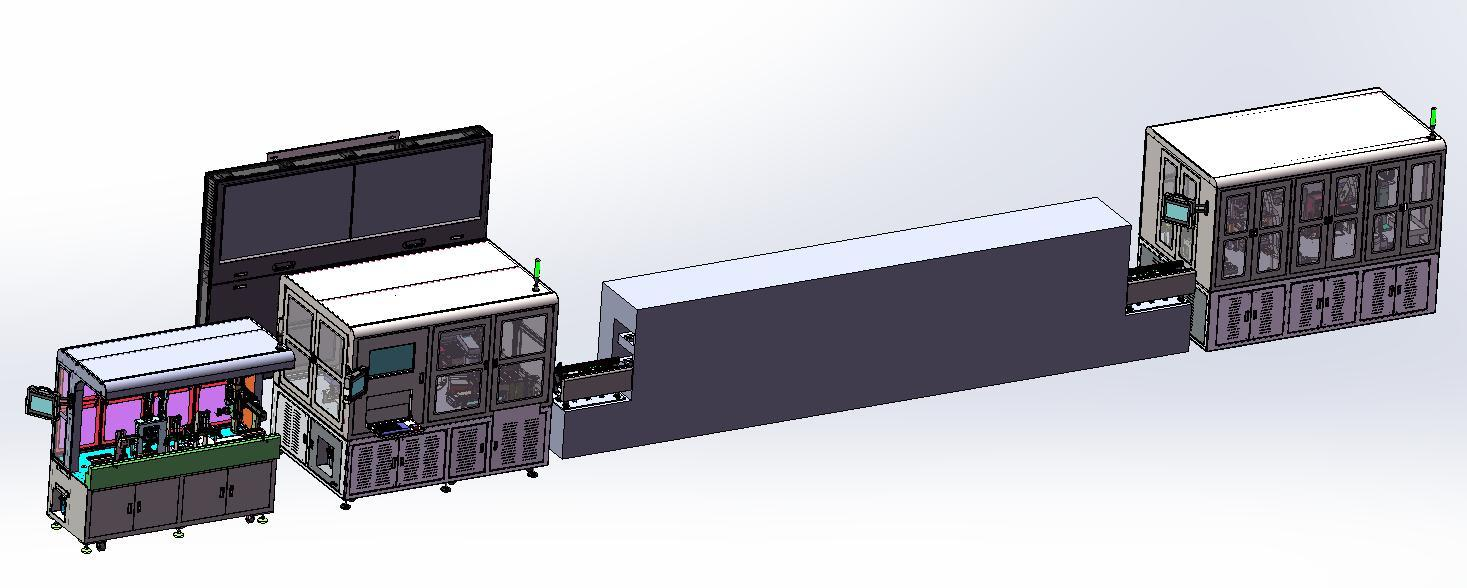
We designed an intelligent automotive NTC water-temperature sensor production line concept. The line links NTC lead welding, connector and housing assembly, high-temperature curing, riveting, laser marking, electrical tests and final transfer into a controlled sequence. That makes the scope an automated Production Line application for ntc water-temperature sensor welding, assembly, curing, riveting and testing.
The confirmed planning target is 240 to 260 pcs/hour. The project data also defines an overall staffing reference of 6 operators, with an average of 3 operators watching machines and 3 operators handling material transfer and inspection. Investment amount, ROI and payback period are not confirmed in the available project data, so they are not claimed for this case.
Challenge
Connecting multiple sensor processes
The product route is not a single machine task. It has to combine manual NTC loading, connector pin crimping, DC welding, continuity and visual inspection, housing glue dispensing, O-ring placement, NTC insertion, curing, riveting, marking, insulation checks and resistance comparison.
Keeping trays accurate enough for automation
The trays must locate both the NTC wire and the connector. The NTC needs limiting on the connector-pin side and outside the pin, a compression device to keep the wire centered on the pin, and a head stop to control the assembled length. The same tray strategy also has to allow future changeover for other low-temperature sensor products.
Approach
NTC welding and tray preparation
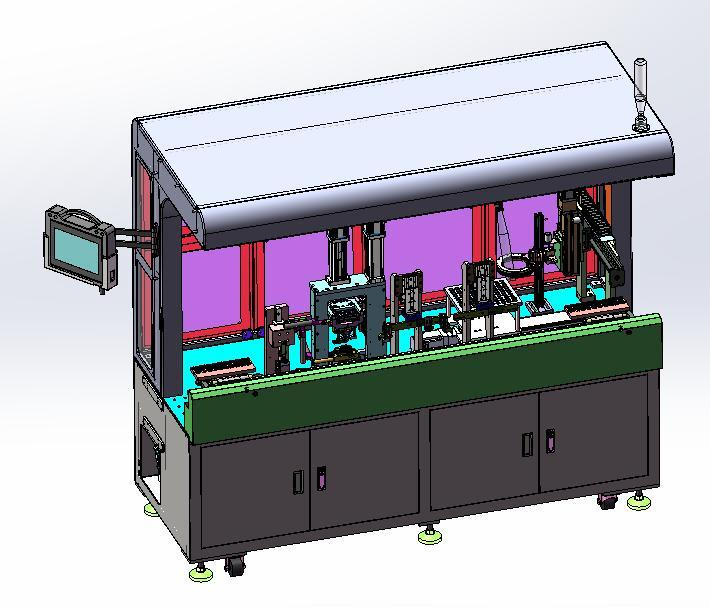
The welding section uses manual NTC loading into trays, automatic connector feeding into trays, pin crimping, NTC DC welding, room-temperature resistance testing, welding visual inspection and sorting of good and NG parts.
The equipment layout can use a rotary-table structure. The loading takt target is no more than 5 seconds per piece, with 1 operator. The design also reserves space for future automatic NTC loading so the line can be upgraded without rebuilding the process from scratch.
| Welding section item | Confirmed specification |
|---|---|
| Loading takt target | No more than 5 seconds per piece |
| Operator requirement | 1 operator |
| Welding method | DC welding |
| Weld action | One weld point per action |
| Weld evaluation | Axial and radial pull force not lower than the NTC wire-body pull force |
| Vision requirement | Camera with deep-learning capability |
| Pin crimping | Program-adjustable crimping degree with pre-crimp vision check |
Front assembly line
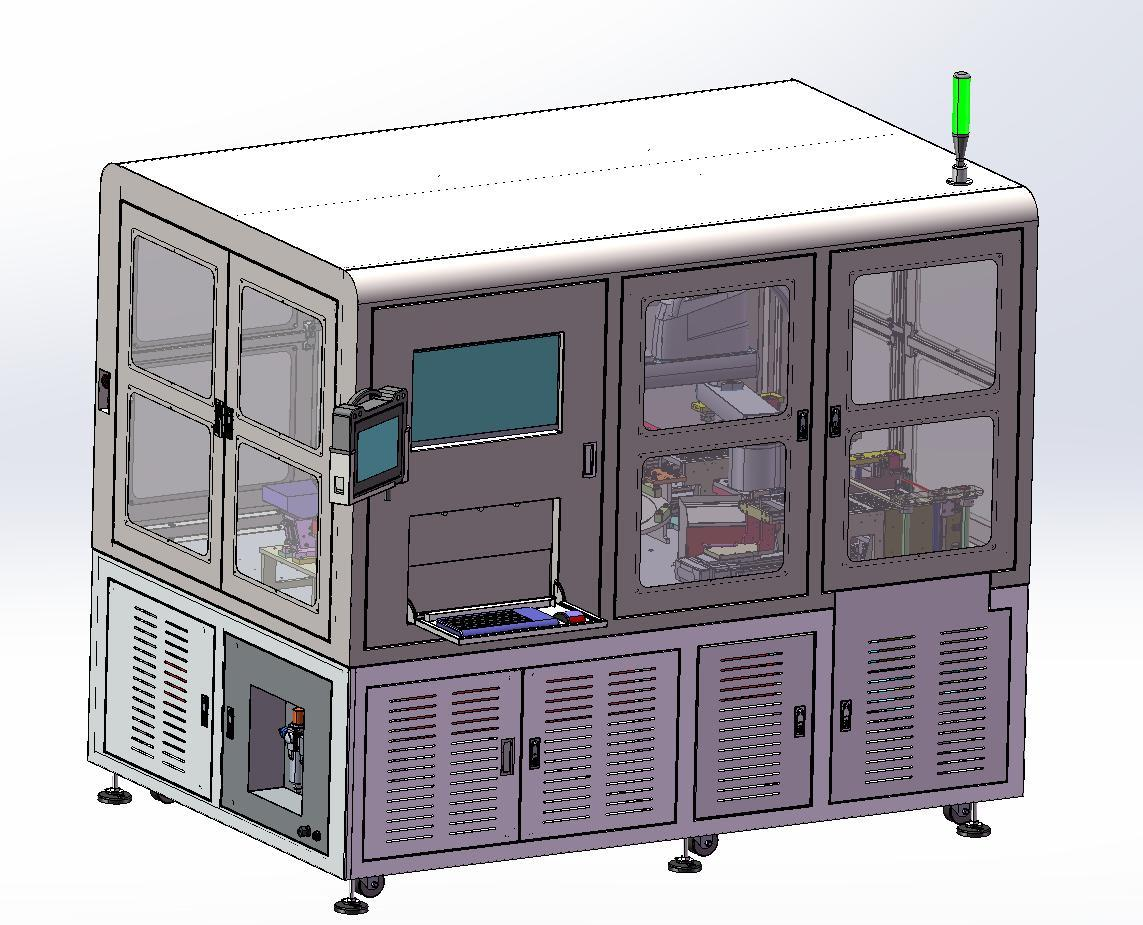
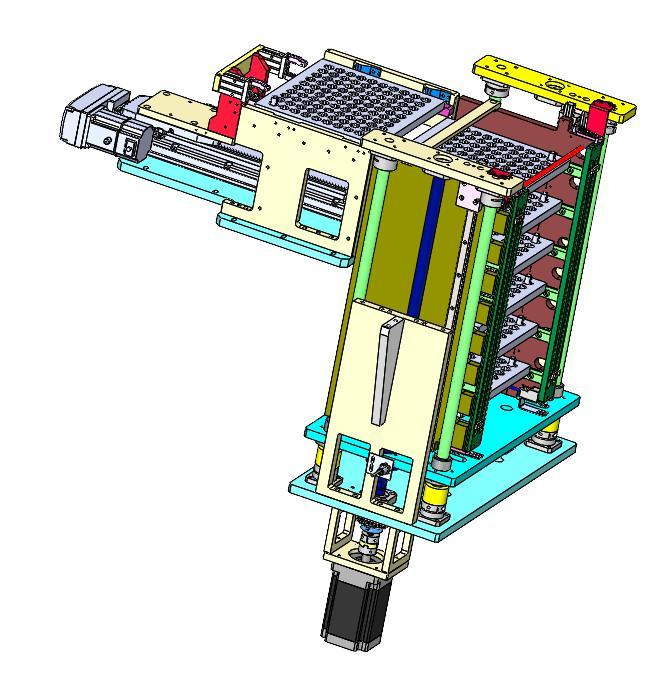
The front assembly process starts with housing trays and O-rings, then aligns the connector-NTC assembly, dispenses high-temperature glue at the probe, places the inner O-ring, inserts the NTC into the housing and transfers the housing into a high-temperature tray for curing.
The front assembly takt target is no more than 15 seconds per piece with 1 operator. The tray uses a hexagonal locating structure and needs to support switching to similar low-temperature sensor products.
| Front assembly item | Confirmed specification |
|---|---|
| Cycle target | No more than 15 seconds per piece |
| Operator requirement | 1 operator |
| Glue dispensing control | Online weighing before and after dispensing, with alarm below the lower limit |
| Dispensing hardware | Pneumatic syringe dispensing, AP-III air-pressure controller and stainless long needle |
| Needle correction | Fiber-based automatic correction after glue change |
| Motion control | 3-axis M-control dispensing controller with automatic needle alignment |
| Needle cleaning | Periodic wiping on dust-free cloth with configurable interval |
| Curing profile | 80 degrees C for 10 minutes preheating, then 150 degrees C for 30 minutes curing |
Rear assembly, marking and testing
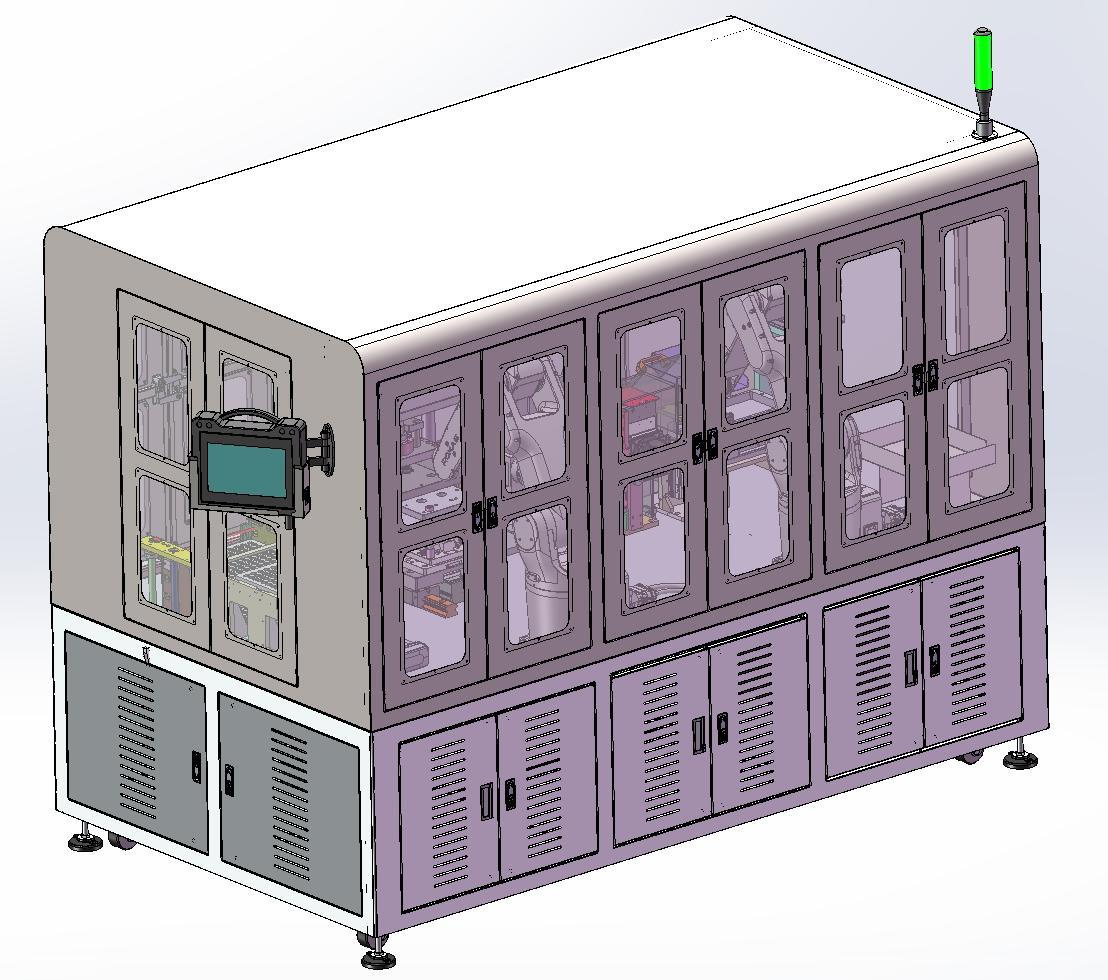
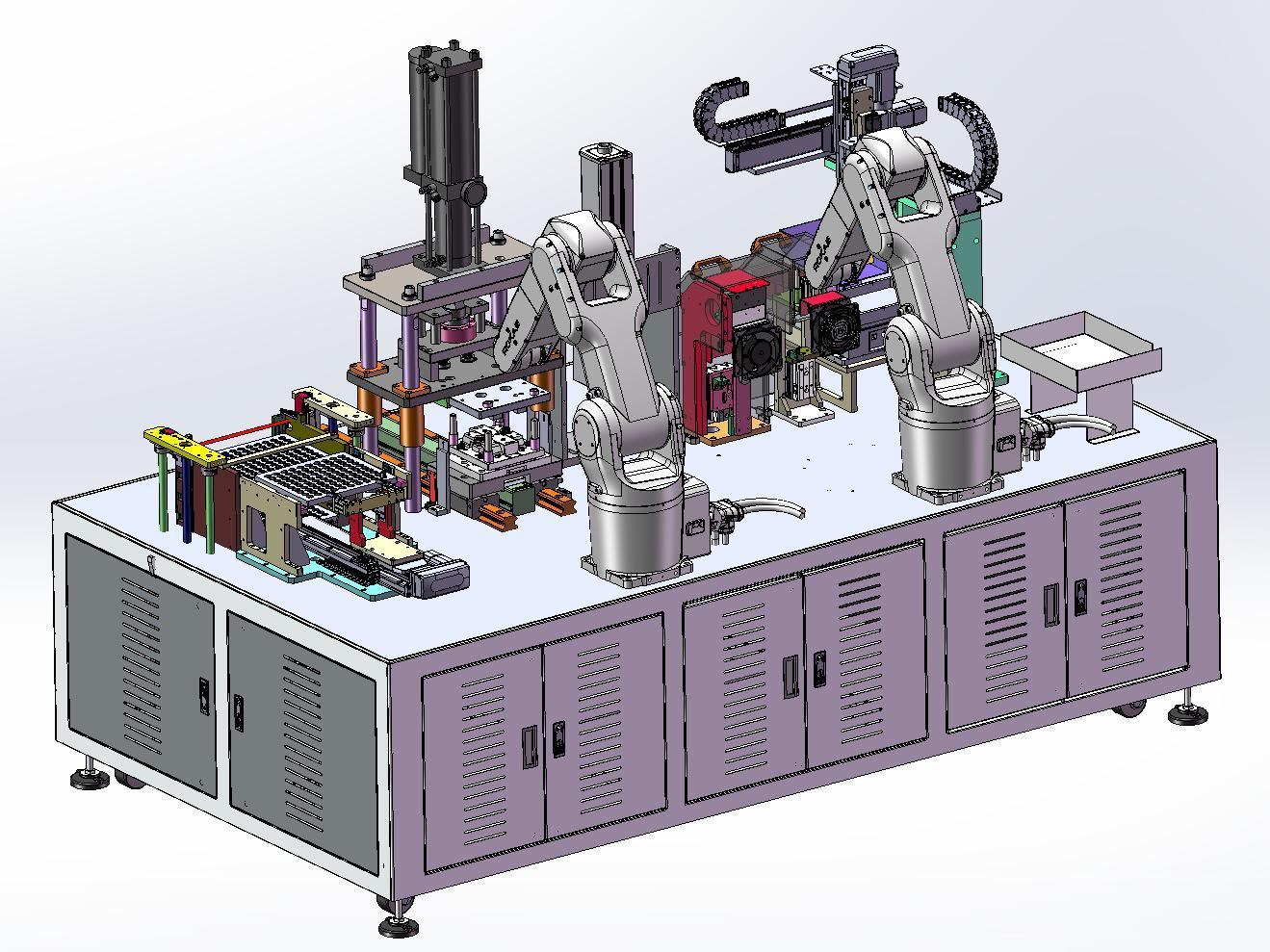
The rear line handles the cured housing tray, riveting with dot marking, laser marking, hipot testing, room-temperature resistance testing, external O-ring assembly and final tray unloading. A six-axis robot transfer concept is used in the rear process section.
| Rear line item | Confirmed specification |
|---|---|
| Cycle target | No more than 15 seconds per piece |
| Operator requirement | 1 operator |
| Riveting concept | Spring-compressed connector with servo-cylinder riveting structure |
| Riveting monitoring | Stroke and displacement monitoring |
| Laser marking materials | Metal, PBT+GF30, PPS+GF30 and PP+GF30 |
| Laser head adjustment | X, Y and Z movement with locking |
| Hipot range | 24V to 500V, with 100V listed as the specific value |
| Resistance test condition | Room-temperature air test with a 4.02 KOhm pull-up resistor considered |
| Data traceability | Resistance data mapped one-to-one to the laser-mark sequence number |
Resistance and temperature validation
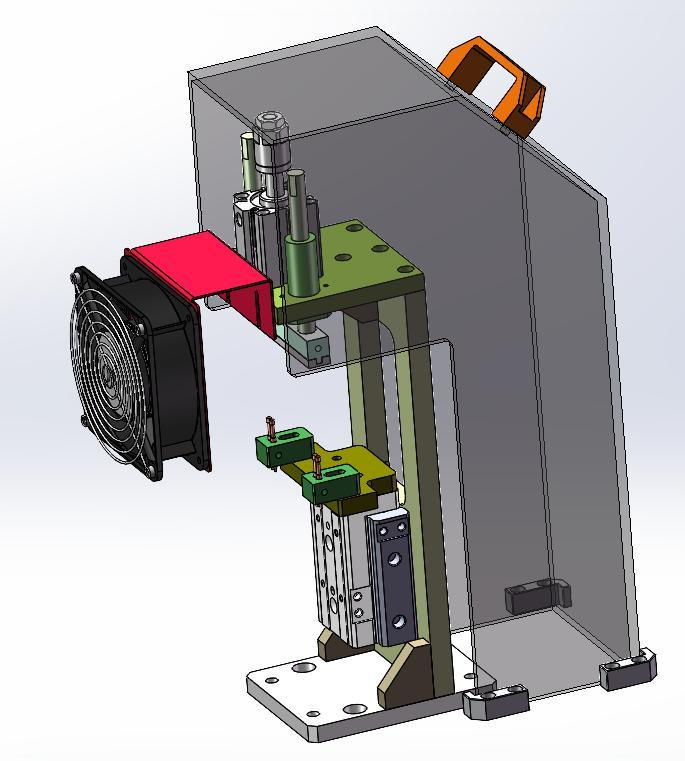
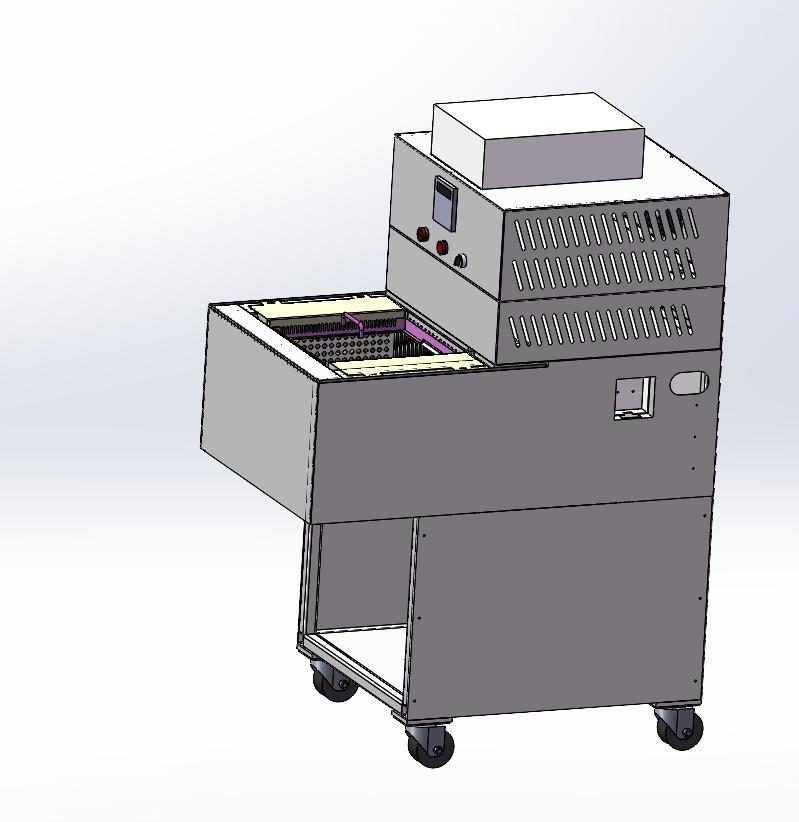
The resistance check compares the product with a nearby standard sample after both have reached stable air temperature. The standard sample requires periodic calibration. The concept also includes an external high-temperature oil or water bath test station for thermal validation.
Reference parameters
The confirmed parameter table defines the main modules and utilities as planning references. Dimensions are reference values and remain subject to final mechanical design.
| Item | Confirmed specification |
|---|---|
| NTC automatic welding module | 2100 x 1000 x 1950 mm reference size |
| NTC assembly line | 2270 x 1500 x 1950 mm reference size |
| NTC riveting and testing line | 2600 x 1500 x 1950 mm reference size |
| Conveyor/aisle reference | 7000 x 2000 x 1600 mm reference size |
| Electrical and air supply | AC220V, 380V, 0.6 to 0.8 MPa |
| Planned capacity | 240 to 260 pcs/hour |
| Control platform | Host computer, PLC, vision and robot integration |
| Overall staffing reference | 6 operators |
Outcome
Proposed operating result
The resulting concept turns a multi-step NTC sensor process into a connected production route. Welding, crimping, assembly, curing, riveting, marking and electrical checks are planned as coordinated modules rather than isolated stations.
Process value
The value is in stabilizing process handoff. Trays preserve NTC and connector position, vision checks control welding and insertion risk, glue quantity is checked by online weighing, laser-mark data is tied to resistance results, and the line has a confirmed 240 to 260 pcs/hour planning range. The project data includes manual-line labor and equipment-budget comparison pages, but the OCR is partially corrupted, so we avoid using those figures as ROI evidence.
Project Feedback
Share a short review of this case study or tell us what kind of automation project you want to compare it with.
No published reviews yet.